


E Waste Drop Off Canberra is not just a disposal method—it is a structured system for handling the growing problem of electronic waste in a safe and environmentally responsible way. As technology evolves quickly, people replace devices more often, leading to increasing volumes of discarded electronics across Canberra. This growing stream of e-waste makes proper recycling systems essential for protecting both the environment and public health. It also highlights the need for accessible and well-organized drop-off solutions that make responsible disposal easier for everyone.
Modern electronic waste contains both valuable and hazardous materials. Items like circuit boards, batteries, and screens include metals such as gold, copper, and aluminum, but they also contain toxic elements like lead and mercury. If these materials are dumped in landfills, they can leak into soil and water systems over time. This is where electronic waste recycling becomes essential, ensuring that reusable materials are recovered while harmful substances are safely processed. In Canberra, structured systems for E Waste Drop Off Canberra make it easier for residents to dispose of old devices without environmental harm, while supporting long-term sustainability efforts.
Table of Contents
Why E Waste Drop Off Canberra Matters in Modern Waste Management
Environmental Protection Through Recycling Systems
One of the most important reasons E Waste Drop Off Canberra exists is to reduce environmental pollution caused by improper electronic disposal. When electronics are thrown into general waste, they often end up in landfills where toxic chemicals slowly escape into surrounding ecosystems, contaminating soil, water sources, and even entering the food chain over time. This creates long-term environmental damage that can persist for decades, especially when heavy metals and synthetic materials break down and spread through natural systems. As electronic consumption continues to rise, the environmental risks associated with poor disposal practices become even more serious and widespread.
Proper recycling prevents this by ensuring controlled dismantling and material recovery. Recycling centers in Canberra separate plastics, metals, circuit boards, and electronic components so they can be reused in manufacturing new products or safely treated if hazardous. This structured process reduces pressure on natural ecosystems and ensures toxic substances are handled in a regulated environment. It also significantly lowers the volume of waste sent to landfills while promoting cleaner production cycles across industries.
The Growing Problem of Electronic Waste
Electronic waste is one of the fastest-growing waste categories in the world. Devices such as smartphones, laptops, tablets, and household appliances are replaced more frequently than ever due to rapid technological advancements, planned obsolescence, and increasing consumer demand for upgraded features. As a result, the global volume of discarded electronics continues to grow at an alarming rate, creating significant challenges for waste management systems and environmental protection efforts.
Canberra is no exception. With increased consumption of electronics across households, businesses, and institutions, recycling centers Canberra are seeing higher volumes of discarded devices each year, placing greater pressure on existing waste infrastructure. Without proper systems like E Waste Drop Off Canberra, much of this waste would end up in landfills, contributing to pollution, resource loss, and long-term environmental risks that become harder to manage over time.
11 Safe Solutions for E Waste Drop Off Canberra
1. Council Recycling Centers for E-Waste
Local council facilities remain one of the most trusted options for E Waste Drop Off Canberra. These centers are designed to accept a wide range of household electronics and ensure they are processed correctly. Residents can conveniently dispose of unwanted devices while supporting environmentally responsible recycling practices. Council-operated programs also provide guidance on acceptable items and proper preparation before disposal, making the process easier for households.
Items commonly accepted include computers, televisions, printers, and small appliances. Once collected, the waste is sorted into recyclable and non-recyclable materials. Metals and plastics are recovered, while hazardous components are safely treated. These centers play a key role in structured electronic waste management across the region and help reduce the amount of waste entering landfills.
2. Retailer Recycling Programs and Drop-Off Points
Retailers have become important contributors to e-waste disposal Canberra. Many stores now offer dedicated bins or take-back programs where customers can return old electronics. These collection points provide a convenient option for people who regularly visit shopping centers and want an easy way to recycle unwanted devices. The availability of retailer programs encourages more people to participate in responsible waste management.
For example, Officeworks provides recycling services for everyday electronic items such as ink cartridges, batteries, and small gadgets. This makes recycling more accessible for people who may not want to travel to dedicated facilities. Retail programs help reduce pressure on landfill systems and encourage responsible consumer behavior while supporting broader sustainability goals throughout the community.
3. Dedicated Electronic Recycling Facilities
Specialized recycling centers are designed to handle large-scale electronic waste processing. These facilities are equipped with advanced machinery that breaks down devices into reusable components. Through efficient dismantling procedures, valuable resources can be recovered and reintroduced into manufacturing supply chains. This reduces the demand for virgin raw materials and supports a more circular economy.
Metals such as copper and aluminum are extracted, while plastics are sorted for reuse in manufacturing industries. Hazardous materials are isolated to prevent environmental contamination. These facilities form the backbone of E Waste Drop Off Canberra infrastructure and ensure high-efficiency recycling processes. Their expertise allows electronic waste to be managed safely while maximizing resource recovery.
4. Donation and Reuse Programs for Working Devices
Not all electronic waste is unusable. Many devices still function but are simply outdated or replaced. Donation programs allow residents to give working laptops, phones, and tablets to charities or community organizations. By redirecting functional electronics away from disposal streams, these initiatives help communities gain access to technology at a lower cost.
These items are often refurbished and reused by people in need. This reduces waste generation and extends the lifecycle of electronic products, which is a key principle of sustainable consumption. Reuse programs also help conserve resources because fewer new devices need to be manufactured, resulting in additional environmental benefits beyond waste reduction.
5. Manufacturer Take-Back and Recycling Schemes
Many global electronics brands now operate take-back programs. These schemes allow customers to return old devices directly to manufacturers for safe recycling. Such initiatives make it easier for consumers to dispose of products responsibly while ensuring electronic components are handled according to industry standards. Participation in these programs continues to grow as environmental awareness increases.
Manufacturers ensure proper dismantling and recovery of valuable materials while maintaining environmental compliance. This also supports better product lifecycle management and reduces electronic waste accumulation. In many cases, recovered materials can be reused in future products, helping companies reduce resource consumption and improve sustainability performance.
6. Battery Recycling Collection Points
Batteries are one of the most hazardous forms of electronic waste. If disposed of incorrectly, they can leak harmful chemicals and cause fire risks. Because of these dangers, specialized battery recycling systems have become an important component of modern waste management programs. Proper disposal helps protect both public health and the environment.
Specialized collection points in E Waste Drop Off Canberra programs ensure safe handling of lithium-ion, rechargeable, and household batteries. These batteries are processed separately to recover metals and prevent environmental damage. Through dedicated recycling methods, valuable materials such as nickel, cobalt, and lithium can be recovered and reused in new manufacturing applications.
7. Mobile E-Waste Collection Services
Mobile collection events bring recycling services directly to neighborhoods. These events are especially useful for people who have large quantities of electronic waste or cannot travel easily. By reducing transportation barriers, mobile services make recycling more convenient and accessible for a wider range of residents. Community participation often increases significantly when collection points are brought closer to homes.
Residents can drop off multiple items at once, making it a convenient solution for bulk disposal. These programs help increase participation in recycling initiatives across Canberra. Mobile collections also provide opportunities to educate residents about responsible disposal practices and the environmental importance of electronic waste recycling.
8. Secure Data Destruction and Privacy Protection
Before recycling electronic devices, it is important to remove personal data. Many E Waste Drop Off Canberra services offer secure data destruction to protect privacy. As electronic devices often contain sensitive personal and business information, proper data management is a critical part of the recycling process. Individuals and organizations alike benefit from professional security measures.
This includes hard drive wiping, software-based data erasure, and physical destruction of storage devices. These methods ensure that sensitive information cannot be recovered after disposal. Secure destruction services give users confidence that their private data remains protected while allowing devices to enter environmentally responsible recycling streams.
9. Computer and IT Equipment Recycling Specialists
Computer recycling specialists focus on handling complex IT equipment such as desktops, servers, and networking hardware. These devices often contain valuable materials and specialized components that require expert processing. Recycling specialists use advanced techniques to maximize resource recovery while ensuring equipment is handled safely and efficiently.
These specialists recover valuable components like processors and memory modules while safely disposing of outdated parts. This helps reduce electronic waste and supports the reuse of high-value components. Their services are particularly important for businesses, educational institutions, and government organizations that regularly upgrade large volumes of technology equipment.
10. Hazardous Waste Processing Using Advanced Methods
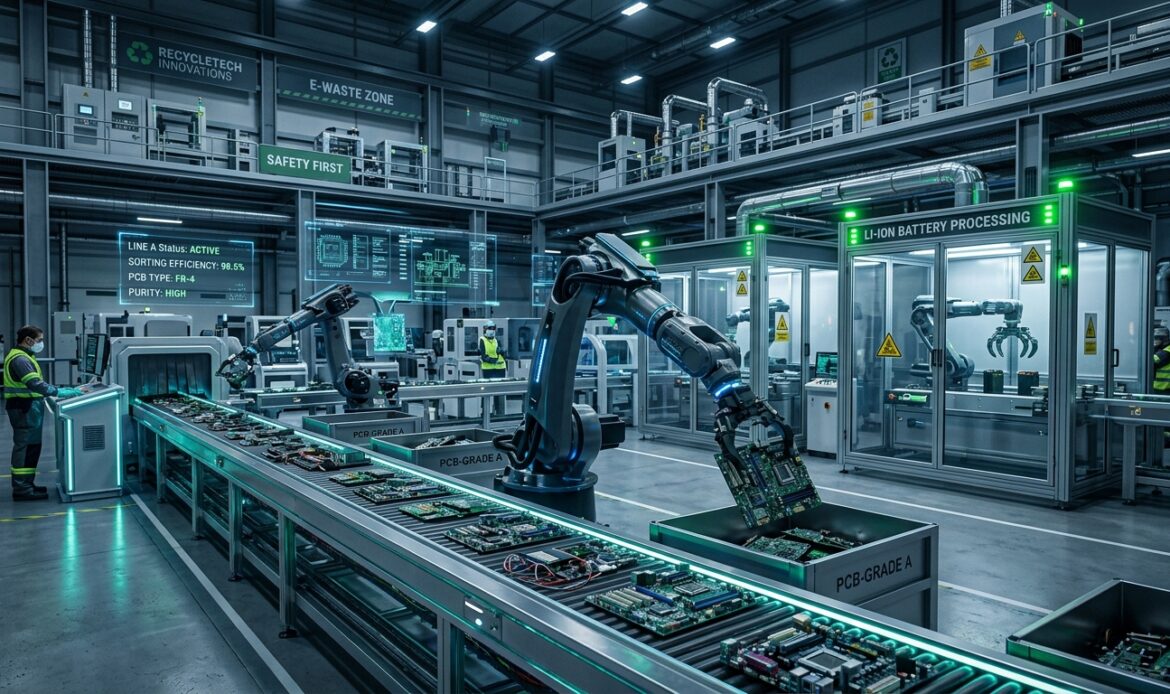
e waste drop off canberra solutions often involve handling electronic components that contain toxic materials requiring specialized treatment. Items such as circuit boards, cathode ray tubes, and certain batteries may contain substances that pose environmental risks if not managed correctly. Advanced recycling facilities use carefully controlled processes to ensure these materials are treated safely.
Facilities use advanced techniques like pyrometallurgical recovery, a high-temperature process used to extract metals from electronic waste. This method ensures safe separation of valuable metals while neutralizing harmful substances. It is an essential part of modern electronic waste recycling systems and contributes significantly to environmental protection and resource conservation.
11. Community-Led Recycling Programs and Awareness Drives
Schools, community groups, and local organizations often organize recycling drives to support E Waste Drop Off Canberra initiatives. These programs help raise awareness about the environmental impacts of electronic waste and encourage residents to participate in recycling efforts. Community involvement creates a stronger culture of sustainability and responsible consumption.
Awareness campaigns often include educational workshops, collection events, and informational resources that teach proper disposal practices. By increasing public knowledge and participation, these initiatives help divert more electronic waste from landfills. Community-led efforts also complement government and industry recycling programs, creating a more effective and comprehensive waste management system.
Sustainable E-Waste Management
1. Role of Government Policies in E-Waste Management
Government policies play a major role in shaping how E Waste Drop Off Canberra systems operate and evolve. Regulations are designed to ensure that electronic waste is handled safely, responsibly, and in compliance with environmental standards. These policies often require manufacturers, retailers, and recycling centers to follow strict guidelines for collection, storage, and processing of electronic devices. By setting clear rules, governments help reduce illegal dumping and encourage structured recycling systems that protect both people and the environment.
In addition to regulation, government initiatives also promote awareness and participation in recycling programs. Public campaigns, funding for recycling infrastructure, and partnerships with local councils make it easier for residents to access safe disposal options. Extended producer responsibility schemes further ensure that companies take accountability for the entire lifecycle of their products, including end-of-life recycling. This combined approach strengthens the overall efficiency of e-waste management systems across Canberra.
2. Environmental Risks of Improper E-Waste Disposal
Improper disposal of electronic waste can cause serious environmental damage, especially when devices are dumped in regular landfills. Items such as computers, phones, and batteries contain hazardous substances like lead, mercury, and cadmium. When these materials break down, they can seep into soil and groundwater, leading to long-term contamination that affects ecosystems, agriculture, and even human health. This makes uncontrolled e-waste disposal a significant environmental threat.
Beyond soil and water pollution, improper handling of e-waste also contributes to air pollution and resource loss. Burning electronic waste releases toxic fumes that can harm air quality and public health. At the same time, valuable materials such as gold, copper, and aluminum are wasted instead of being recovered and reused. This not only increases environmental strain but also reduces opportunities for resource conservation and sustainable manufacturing.
3. Future of E-Waste Recycling Technologies in Canberra
The future of e-waste recycling in Canberra is expected to become more advanced with the integration of modern technologies. Automated sorting systems, artificial intelligence, and robotic dismantling tools are being developed to improve the speed and accuracy of recycling processes. These innovations help identify materials more efficiently, reducing human error and increasing the recovery rate of valuable components from electronic waste.
At the same time, research into cleaner and more sustainable recycling methods continues to grow. Advanced chemical extraction techniques and energy-efficient processing systems are being explored to minimize environmental impact while maximizing resource recovery. As these technologies develop, E Waste Drop Off Canberra systems will become more efficient, safer, and better equipped to handle the rising volume of electronic waste in the future.
4.Building a Cleaner Future Through Responsible E-Waste Practices
Building a cleaner future through responsible e-waste practices depends on the combined impact of policy enforcement, environmental awareness, and technological progress. Government regulations ensure that recycling systems operate safely and consistently, while environmental safeguards help reduce pollution caused by improper disposal. At the same time, growing public awareness encourages individuals and businesses to make smarter choices when discarding electronic devices. Together, these factors create a stronger foundation for sustainable waste management in Canberra.
Technological innovation is also shaping how electronic waste is processed and recovered. Advanced recycling methods, automated systems, and improved material recovery techniques are making it easier to extract valuable resources while reducing environmental harm. As these systems continue to evolve, they will support more efficient recycling infrastructure and reduce reliance on landfills. This combination of responsibility, innovation, and structured systems is essential for building a long-term sustainable future for e-waste management.
Benefits of E Waste Drop Off Canberra in Sustainable Living
Proper electronic waste recycling delivers multiple benefits beyond just waste reduction. It helps conserve natural resources, reduce pollution, and support cleaner production cycles. By diverting discarded electronics from landfills, recycling programs prevent harmful substances from entering the environment and reduce the ecological footprint of technology consumption. These efforts also strengthen local recycling industries, create employment opportunities, and promote environmental responsibility among residents, businesses, and organizations. In addition, recycling supports the transition toward a circular economy by ensuring valuable materials remain in productive use for longer periods.
From an economic perspective, recovered materials like copper and gold can be reused in manufacturing, reducing the need for mining and lowering production costs. The recovery of these resources improves material efficiency while supporting industries that depend on raw materials. If you want a more detailed breakdown of how Canberra is shifting toward long-term sustainability models, Canberra E-Waste: 11 Positive Ways to Transform Responsibly provides an expanded look at transformation-focused recycling practices and their environmental impact. The article highlights how responsible resource management, community participation, and advanced recycling systems are contributing to a cleaner and more sustainable future.
Final Thoughts on E Waste Drop Off Canberra
E Waste Drop Off Canberra plays a crucial role in managing modern electronic waste responsibly. With multiple safe solutions available, from council recycling centers to retailer programs like Officeworks, residents have convenient access to proper disposal and recycling services. These programs ensure that electronic devices are processed safely, valuable materials are recovered, and hazardous substances are kept out of landfills. As technology use continues to grow, effective recycling systems become increasingly important for maintaining environmental sustainability.
By using these systems, Canberra residents can reduce environmental damage, protect natural resources, and support a cleaner, more sustainable future. Responsible recycling helps conserve valuable materials, lowers pollution levels, and encourages the development of a circular economy where resources are reused rather than wasted. The most important step is simple: never discard electronics in regular bins. Instead, always choose responsible recycling channels to ensure electronic waste is managed safely and efficiently for the benefit of both current and future generations.
FAQs
What is the easiest way to use E Waste Drop Off Canberra services?
he easiest way to use E Waste Drop Off Canberra: 11 Safe Solutions is to visit your nearest council collection point or retailer recycling program. You can simply take your old electronics such as phones, laptops, chargers, or small appliances and drop them off at an approved location. Many collection sites are conveniently located and accept a wide range of household electronic items, making the recycling process accessible for most residents.
Most of these services are free and designed to be quick and user-friendly, making it simple for anyone to participate in responsible recycling. By using approved drop-off locations, residents can ensure that electronic waste is handled safely, valuable materials are recovered, and harmful substances are prevented from entering the environment. This straightforward approach makes responsible electronic waste disposal easy and effective for the community.
Can I recycle broken electronics through E Waste Drop Off Canberra programs?
Can I recycle broken electronics through E Waste Drop Off Canberra programs?
Yes, broken electronics are fully accepted in most E Waste Drop Off Canberra facilities. Even if your device is not working, it can still be dismantled and processed to recover valuable materials like metals and plastics. These facilities are designed to handle both functional and non-functional devices, ensuring that nothing goes to waste unnecessarily. This makes them a practical option for disposing of outdated or damaged electronics in an environmentally responsible way.
Recycling centers safely separate usable components and dispose of hazardous parts properly, ensuring nothing harmful ends up in landfills. Circuit boards, batteries, and internal wiring are carefully processed to extract reusable resources while preventing toxic substances from leaking into the environment. This makes electronic recycling an effective solution for reducing waste, conserving resources, and supporting a cleaner and more sustainable recycling system.
Is my personal data safe when using E Waste Drop Off Canberra services?
Is my personal data safe when using E Waste Drop Off Canberra services?
Your personal data can be kept safe if you take the right steps before recycling your device. In most E Waste Drop Off Canberra services, many facilities and certified recyclers offer secure data destruction processes, including hard drive wiping and physical destruction of storage components. These methods are designed to ensure that sensitive information cannot be recovered once a device enters the recycling stream, providing an added layer of privacy protection.
However, it is still recommended that users manually delete files, log out of accounts, and perform a factory reset before dropping off any device to ensure maximum privacy protection. Taking these precautions reduces the risk of leftover data being accessed and ensures your device is fully prepared for secure recycling. Combining user-side preparation with professional data destruction creates the safest approach to protecting personal and financial information.
What items are not accepted in E Waste Drop Off Canberra facilities?
Not all items are accepted under E Waste Drop Off Canberra, especially large household appliances like refrigerators or washing machines, as these usually fall under separate waste management systems. Many facilities focus specifically on smaller electronic devices, which are easier to dismantle and process through standard e-waste recycling methods. Because acceptance rules can vary, checking local guidelines helps avoid unnecessary trips and ensures proper disposal.
Certain hazardous materials are also restricted, such as leaking or damaged batteries, which require specialized handling due to fire and chemical risks. Some facilities may also refuse gas-powered or non-electronic devices, as they do not fall under electronic waste categories. It is always best to check with your local recycling center beforehand so you can ensure your items are disposed of safely and correctly through the appropriate channels.