


Canberra e-waste is a problem for the environment in Australia. This is because we use a lot of technology and we throw away electronic devices like computers, laptops and mobile phones very often. Canberra e-waste is all the electronic stuff we do not need anymore like televisions, printers and batteries. As people and businesses use technology we make more electronic waste every year.
The thing is, these old devices are not just trash. They have things like copper, aluminum, gold and silver that we can use again if we recycle them properly. So managing Canberra e-waste is very important for taking care of the environment and saving resources. Electronic devices can have things inside them that can hurt the soil and water if we do not throw them away correctly. If we recycle and throw away devices responsibly we can get back valuable materials make less waste and not hurt the environment as much. Knowing about Canberra e-waste helps people and businesses make choices that help keep the environment clean and sustainable, for the ACT region.
Table of Contents
What is E-Waste?
E-waste (electronic waste) refers to discarded electronic devices that are no longer in use, broken, outdated, or unwanted. This includes everyday items such as mobile phones, laptops, computers, televisions, printers, batteries, chargers, and other electrical or electronic equipment. As technology evolves rapidly, devices become outdated quickly, leading to a growing amount of electronic waste around the world.
E-waste is different from regular household waste because it contains a mix of valuable materials and harmful substances. On one hand, it includes recoverable resources like gold, copper, silver, and aluminum that can be reused in manufacturing new products. On the other hand, it may also contain toxic elements such as lead, mercury, and cadmium, which can harm the environment if not handled properly.
E-waste recycling near Canberra and Why It Matters for the Environment
Canberra electronic waste is not just ordinary garbage. It contains both valuable materials and harmful substances. If it is not handled properly, it can seriously damage soil, water, and air quality. If managed correctly, it becomes a powerful resource recovery system that helps protect the environment and conserve valuable resources. Managing large volumes of Canberra e-waste requires organized systems, especially for companies upgrading IT infrastructure. Resources such as Equipment Disposal: 15 Powerful Ways to Manage Old Assets provide useful strategies for handling outdated equipment responsibly.
Valuable Materials in electronic waste in Canberra
One of the main reasons IT asset disposal Canberra is important is because electronic devices contain metals like gold, copper, silver, and lithium. These materials can be recovered and reused instead of being mined again, helping reduce environmental damage and resource depletion.
Hazardous Substances Need Safe Disposal
At the same time, electronic waste Canberra also contains hazardous substances such as lead, mercury, and cadmium. Improper disposal can cause pollution, making proper handling through Canberra e-waste recycling services essential.
Environmental Impact of Canberra electronic waste
- Prevents toxic chemicals from polluting landfills
- Reduces mining pressure on natural resources
- Supports reuse of precious metals and components
- Helps build a cleaner circular economy in Canberra
Without proper recycling systems, Canberra e-waste can create long-term environmental challenges. This is why awareness and the use of Canberra e-waste recycling services continue to grow among households and businesses.
Electronic waste Canberra collection systems and how they work
The Canberra e-waste collection system is designed to make electronic waste disposal easy, safe, and accessible for residents and businesses. Various recycling facilities and drop-off centers accept unwanted electronics, ensuring they are processed responsibly instead of ending up in landfills.
Once collected, electronic waste Canberra is sorted according to device type and condition. Items that can be refurbished may be repaired and reused, while damaged devices are sent for recycling and material recovery.
How Canberra e-waste collection works
- Drop-off or pickup of unwanted electronics
- Sorting items like computers, phones, and TVs
- Removing batteries and hazardous parts safely
- Recovering usable materials like metals and plastics
Many Canberra e-waste recycling services now provide collection and pickup options, making disposal even more convenient for households and organizations. This is especially helpful for businesses that regularly replace computers, servers, and other IT equipment.
Benefits of e-waste collection Canberra
- Easy and convenient disposal for residents
- Reduces illegal dumping in public areas
- Encourages responsible recycling habits
- Supports local recycling and recovery industries
An effective e-waste collection Canberra system helps prevent environmental pollution while ensuring valuable materials are recovered and reused. By making recycling accessible, Canberra continues to promote sustainable waste management practices and responsible electronic disposal.of ending up in landfills.
Canberra e-waste recycling process and material recovery
Once Canberra e-waste reaches recycling facilities, it goes through a carefully structured process designed to recover valuable materials and safely manage hazardous components. This ensures that electronic waste is not simply discarded, but instead transformed into reusable resources that support manufacturing and reduce environmental impact.
The recycling process usually starts with manual or mechanical dismantling. Devices are broken down into smaller parts, and different materials such as metals, plastics, glass, and circuit boards are separated for further processing.
Steps in Canberra e-waste recycling
- Devices are dismantled into separate components
- Hazardous materials are safely identified and removed
- Valuable metals like copper, gold, and aluminum are extracted
- Plastics and glass are processed for reuse in new products
After processing, recovered materials are sent back into manufacturing industries, where they are used to create new electronics and other products. This reduces the need for fresh raw material extraction and helps conserve natural resources.
Key advantages of e-waste collection Canberra
- Reduces landfill pressure across the ACT
- Recovers rare and valuable metals efficiently
- Lowers overall environmental pollution levels
- Supports long-term sustainable production cycles
A growing number of Canberra e-waste recycling services are now using advanced sorting and recovery technologies to improve efficiency. These improvements help increase material recovery rates while reducing waste and environmental damage, making the entire system more effective and sustainable.
Canberra e-waste disposal challenges in modern cities
Despite rising awareness, Canberra e-waste still faces several serious challenges in modern waste management systems. As technology becomes more advanced and affordable, people replace their devices more frequently, which significantly increases the volume of electronic waste. This rapid growth puts pressure on recycling infrastructure and makes it harder to manage Canberra e-waste efficiently across the region.
Another key issue is improper disposal habits. Many individuals still discard old electronics in general household bins instead of using proper Canberra e-waste recycling services. This leads to environmental risks because harmful substances from electronics can leak into soil and water when sent to landfill. It also results in the loss of valuable materials that could have been recovered and reused.
Common challenges in e-waste collection Canberra management
- Increasing volume of discarded electronics due to frequent upgrades
- Lack of awareness about proper recycling methods and drop-off points
- Improper disposal in household waste bins instead of recycling centers
- Limited accessibility of recycling facilities in some areas
These challenges show that Canberra e-waste management is not only about infrastructure but also about public awareness and responsible behavior. Without improved education and stronger recycling systems, a significant amount of electronic waste may continue to be mismanaged.
Growing need for better solutions
To address these issues, stronger awareness campaigns and expanded Canberra e-waste recycling services are needed. Improving access to collection points, encouraging device reuse, and educating the public about safe disposal methods can greatly reduce the impact of Canberra e-waste on the environment.
E-waste Best Practices for Households

Managing e-waste at home starts with small, consistent habits that reduce environmental harm and make recycling easier. Households are one of the biggest contributors to electronic waste because of frequent upgrades in phones, laptops, and home appliances. By following simple best practices, families can significantly reduce the amount of e-waste ending up in landfills.
One of the most effective steps is to extend the life of your devices. Instead of replacing electronics immediately, try repairing them or upgrading small components like batteries or storage. This reduces unnecessary waste and helps control the growing volume of e-waste.
Practical household best practices
- Repair devices before deciding to replace them
- Donate working electronics to schools, charities, or community groups
- Store old electronics safely instead of throwing them in general bins
- Use certified Canberra e-waste recycling services for safe disposal
- Remove personal data from devices before recycling or donation
Another important practice is responsible storage. Many households keep unused electronics in drawers for years, which eventually leads to clutter and delayed recycling. Instead, regularly sort old gadgets and send them to proper e-waste recycling services.
Why these practices matter
Following these habits helps reduce pollution, recover valuable materials, and support a cleaner environment. Since Canberra e-waste contains both harmful substances and reusable resources, proper household management plays a major role in building a sustainable recycling system. Even small actions at home contribute to a larger environmental impact when practiced consistently across the community.
Global e-waste statistics and growing trends
Here is a clear and structured table using the latest global data on electronic waste trends. These statistics help us understand how serious the issue is and why proper recycling systems matter everywhere,
| Category | Statistic | Insight / Meaning |
|---|---|---|
| Annual global e-waste generation | 62 million tonnes (2022) | Shows rapid growth of electronic waste worldwide |
| Per person e-waste | 7.8 kg per person | Average global contribution per individual |
| Growth since 2010 | 82% increase (34M → 62M tonnes) | E-waste is rising much faster than population |
| Projected e-waste by 2030 | 82 million tonnes | Expected continued rise despite recycling efforts |
| Global recycling rate | 22.3% (2022) | Very low compared to total waste generated |
| Total waste share | 3.1% of global waste | E-waste is a small % but highly harmful |
| Value of e-waste materials | USD 91 billion | Huge economic value locked in discarded electronics |
| Recovered value | USD 19 billion | Most valuable materials are still lost |
| Copper and gold value | $19B copper, $15B gold | Precious metals are major recovery opportunity |
| Mobile & small IT waste | 5 million tonnes | Phones and small devices are major contributors |
| Environmental risk | Plastic takes up to 1 million years to decompose | Long-term pollution hazard if not recycled |
| Resource requirement | 1 computer = 240kg fossil fuels, 22kg chemicals, 1.5 tonnes water | Manufacturing is extremely resource-intensive |
| Circular economy potential | High untapped value | Low recycling rate = major opportunity for recovery |
IT asset disposal Canberra and the role of businesses in recycling
Businesses play a major role in generating Canberra e-waste, especially in sectors like IT companies, corporate offices, educational institutions, and retail stores. These organizations frequently upgrade computers, servers, printers, and networking equipment to keep up with performance demands and security updates. As a result, large volumes of electronic waste are produced that must be handled responsibly to avoid environmental harm.
Instead of disposing of old equipment carelessly, many companies now partner with professional Canberra e-waste recycling services. These services ensure that bulk electronic waste is collected, processed safely, and recycled in an environmentally responsible way. They also help businesses manage large-scale disposal more efficiently while maintaining compliance with regulations.
Business benefits of e-waste recycling
- Safe disposal of sensitive data devices to prevent information leaks
- Compliance with environmental regulations and sustainability standards
- Improved corporate sustainability image and brand reputation
- Reduced storage and maintenance costs for unused equipment
Responsible management of Canberra e-waste has now become an important part of modern corporate responsibility. Businesses that adopt proper recycling practices not only reduce environmental impact but also contribute to a cleaner and more sustainable future for Canberra.
Canberra e-waste and environmental protection efforts
Government bodies and environmental organizations are increasingly focusing on improving Canberra e-waste management systems to reduce pollution and promote responsible recycling practices. With the rising volume of electronic waste, structured policies and awareness programs are being introduced to guide both households and businesses toward safer disposal methods.
Public awareness campaigns play an important role in educating people about the risks of improper disposal and the benefits of using certified Canberra e-waste recycling services. These programs highlight how valuable materials can be recovered and how harmful substances can be prevented from entering the environment.
Local initiatives also encourage residents to avoid informal dumping and instead rely on approved collection points and recycling centers. This helps ensure that Canberra e-waste is processed in a controlled and environmentally safe manner.
Key environmental protection efforts
- Public awareness campaigns on safe electronic disposal
- Expansion of official recycling drop-off locations
- Promotion of certified Canberra e-waste recycling services
- Stronger regulations to reduce illegal dumping
These combined efforts contribute to cleaner cities, healthier ecosystems, and improved resource management for future generations, making Canberra e-waste control an essential part of long-term environmental protection strategies.
Canberra e-waste is strictly managed under the Australian Capital Territory (ACT) Waste Management Strategy, which operates within Australia’s broader national environmental framework. These policies are designed to reduce landfill waste, promote recycling, and ensure that electronic waste is handled in a safe, secure, and environmentally responsible way. Because electronic devices contain both valuable and hazardous materials, Canberra e-waste is treated as a regulated waste stream rather than general rubbish. To better understand the challenges and environmental impact of e-waste, check Electronic Waste Disposal Canberra: 9 Shocking Realities, which highlights key facts about safe disposal practices in Canberra.
Key government regulations and policies
One of the most important rules in the ACT is the landfill ban on e-waste. Under local policy, any item considered electronic waste—such as devices with a plug, battery, or cord—cannot be placed in general household bins or sent to landfill. Instead, it must be taken to approved recycling facilities or handled through certified Canberra e-waste recycling services. This helps prevent toxic materials from entering the environment and encourages material recovery.
At the national level, Australia operates the National Television and Computer Recycling Scheme (NTCRS). This industry-funded program provides free and structured recycling for televisions, computers, printers, and related IT equipment. It ensures that IT asset disposal Canberra is diverted from landfill and processed through specialized recycling systems where materials like metals, plastics, and glass can be recovered safely.
Corporate and business compliance requirements
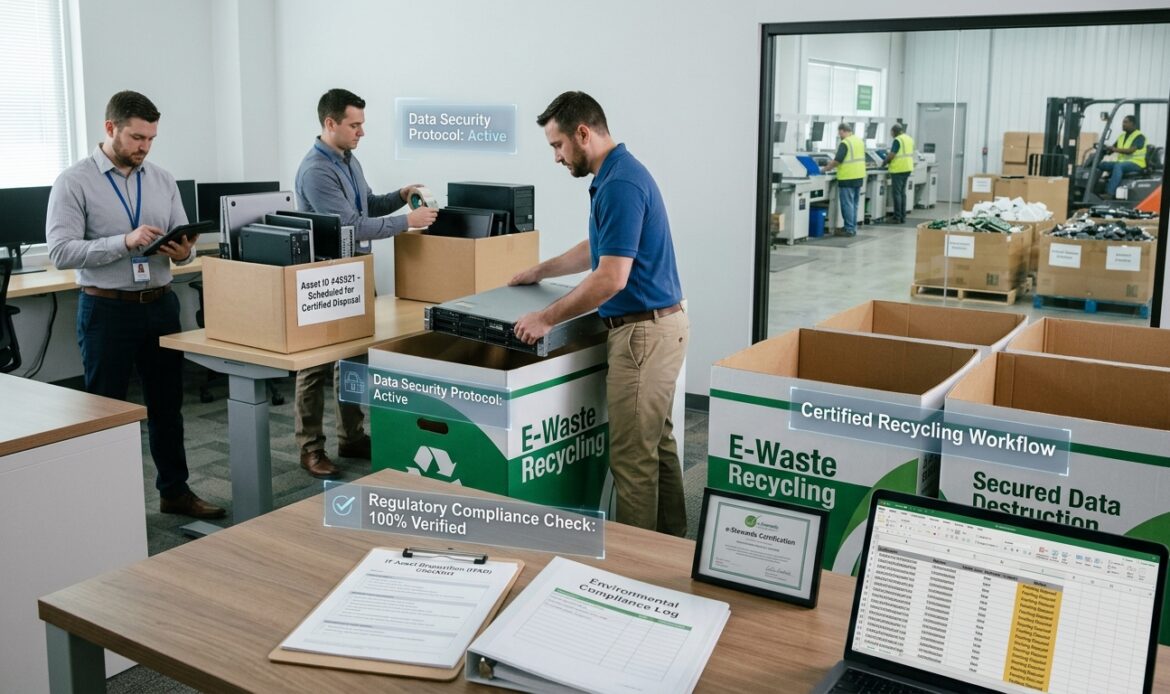
Businesses in Canberra and across Australia are subject to stricter rules when managing Canberra e-waste. Under national frameworks such as the Recycling and Waste Reduction Act 2020, organizations must ensure secure disposal of IT assets and maintain proper documentation of their electronic waste handling processes. This is especially important for devices that store sensitive or confidential data.
Companies are expected to use authorized Canberra e-waste recycling services to dispose of computers, servers, and storage devices. Failure to comply with these regulations can result in significant financial penalties, reputational damage, and legal consequences.
Environmental protection goals and additional measures
Beyond legal requirements, these policies also aim to support broader environmental goals. They help reduce landfill pressure, prevent hazardous substances like lead and mercury from contaminating ecosystems, and encourage the reuse of valuable resources. Many regulations also promote product stewardship, where manufacturers are encouraged to design electronics that are easier to repair, reuse, and recycle.
Why these regulations matter
These combined laws and policies ensure that Canberra e-waste is managed responsibly at every stage—from production and use to disposal and recycling. They also:
- Prevent illegal dumping of electronic waste
- Increase recycling and recovery rates
- Protect soil, water, and air from toxic contamination
- Encourage responsible business and consumer behavior
- Support a long-term circular economy approach
Overall, Canberra e-waste regulations play a crucial role in transforming electronic waste from an environmental threat into a managed and valuable resource stream
Canberra e-waste future trends and innovations
The future of Canberra e-waste management is rapidly evolving as technology, environmental awareness, and government policies continue to advance together. Traditional recycling methods are gradually being replaced with smarter, faster, and more efficient systems that can handle increasing volumes of electronic waste with greater precision and less environmental impact.
One of the most important developments is the integration of automation and AI-based technologies in recycling facilities. These systems can identify different materials inside electronic devices more accurately than manual sorting, helping improve recovery rates and reduce errors. As a result, IT asset disposal Canberra processing is becoming more efficient, sustainable, and economically viable.
Future trends in Canberra e-waste
- AI-powered recycling systems that improve sorting accuracy and speed
- Higher material recovery rates from complex electronic devices
- Expansion of pickup-based Canberra e-waste recycling services for households and businesses
- Stricter environmental regulations to ensure safe and responsible disposal
- Increased focus on product design that supports easier recycling
These innovations are expected to significantly improve how Canberra e-waste is managed in the coming years. With better technology and stronger policies, recycling will become more accessible and effective, allowing valuable materials to be recovered while reducing environmental harm and supporting a more sustainable future.
E-waste disposal Canberra and a circular economy future
A circular economy is a sustainable system where products and materials are kept in use for as long as possible through reuse, repair, refurbishment, and recycling instead of being thrown away after a single use. In this system, waste is minimized, and resources are continuously cycled back into production. Canberra e-waste plays a key role in supporting this model because electronic devices contain valuable materials that can be recovered and reused multiple times.
By extending the life of electronic products and ensuring proper recycling, safe e-waste recycling Canberra
services help reduce the demand for new raw materials. This decreases environmental pressure caused by mining and manufacturing while also reducing the amount of waste sent to landfills. Repairing devices, refurbishing usable electronics, and recycling components all contribute to keeping resources in circulation for longer.
How e-waste disposal Canberra supports a circular economy
- Promotes reuse of working electronic devices instead of disposal
- Encourages repair and refurbishment of old gadgets
- Enables recovery of valuable metals and materials
- Reduces landfill waste and environmental pollution
Through these practices, e-waste recycling near Canberra shifts from being an environmental problem to becoming an important resource stream. This transition supports a more sustainable and efficient economy where materials are reused repeatedly instead of being wasted, creating long-term environmental and economic benefits for the region.
Final thoughts on Canberra e-waste
Canberra e-waste is a growing environmental challenge, but it is also a powerful opportunity to build a more sustainable future. As technology continues to advance, the volume of discarded electronic devices will keep increasing, making responsible management more important than ever. With proper recycling systems in place, Canberra e-waste can be transformed from harmful waste into a valuable source of reusable materials.
From households to large businesses, everyone has a role in managing Canberra e-waste safely and responsibly. Simple actions like repairing devices, donating usable electronics, and using certified recycling points can make a significant difference over time. The more individuals and organizations participate in Canberra e-waste recycling services, the greater the positive impact on the environment. Ultimately, effective handling of Canberra e-waste helps reduce pollution, conserve natural resources, and support a cleaner and healthier Canberra for future generations.
We provide structured solutions for safe and compliant disposal of business electronics, including large-scale IT equipment and asset retirement. Our process is aligned with professional standards similar to Enterprise Equipment Disposal, ensuring secure handling, data protection, and environmentally responsible recycling.
Frequently Asked Questions
What is Canberra e-waste?
Canberra e-waste refers to discarded electronic devices such as mobile phones, computers, laptops, TVs, printers, and batteries. These items are no longer in use or broken and need to be disposed of properly instead of being thrown into regular trash. Because they contain both valuable materials and harmful substances, proper handling is important.
How is Canberra e-waste recycled?
Canberra e-waste goes through a structured recycling process. First, devices are collected and sorted based on type. Then they are dismantled to separate components like metals, plastics, and circuit boards. Hazardous parts are safely removed, while valuable materials like copper and aluminum are recovered and reused in manufacturing.
Where can I dispose of Canberra e-waste?
You can dispose of Canberra e-waste at designated recycling centers, official drop-off points, or through Canberra e-waste recycling services that offer pickup options. Many local facilities in Canberra accept household and business electronics to ensure safe and environmentally friendly disposal.
Why is Canberra e-waste recycling important?
Recycling Canberra e-waste is important because it helps reduce environmental pollution and conserves natural resources. Electronics contain toxic substances like lead and mercury, which can harm soil and water if not handled properly. Recycling also allows valuable materials to be reused instead of mining new resources.
Can businesses recycle Canberra e-waste in bulk?
Yes, businesses can recycle Canberra e-waste in bulk through professional Canberra e-waste recycling services. These services handle large volumes of outdated IT equipment safely and often include secure data destruction, collection, and environmentally responsible processing.