


An IT asset audit is a structured process in which all hardware, software, and digital resources within an organization are identified, verified, and evaluated. In simple terms, everything from laptops to licenses is tracked and checked.
It is often assumed that businesses already know what they own. However, in reality, assets are frequently lost in spreadsheets, outdated systems, or forgotten corners of networks. Therefore, an IT asset inventory is created and compared against actual usage to ensure accuracy.
Why Is IT Asset Audit Important?
It is widely believed that audits are only carried out for compliance. However, much more is at stake. An IT asset audit works like a spotlight, revealing hidden gaps, unused resources, and potential risks that would otherwise stay buried.
Risk Reduction and Security Control
To begin with, risks are significantly reduced when assets are properly tracked. Unknown or unauthorized devices on a network can create serious security vulnerabilities. In addition, outdated software can expose systems to cyber threats. Therefore, when an IT asset management audit is conducted, these risks are identified early and managed effectively.
Cost Optimization and Budget Control
At the same time, unnecessary costs are minimized. It is often seen that businesses purchase new tools simply because existing assets are not visible. As a result, money is wasted on duplicate resources. However, with a proper IT asset inventory, smarter financial decisions are made, and spending is optimized.
Improved Operational Efficiency
Furthermore, daily operations become smoother. When assets are well-documented, employees can quickly access the tools they need. Consequently, delays are reduced, and productivity is improved. Managing the entire IT asset lifecycle management process becomes far more efficient.
Easier Compliance and Regulatory Alignment
Moreover, compliance requirements are met more easily. Standards such as ISO require accurate tracking and reporting of assets. When a structured IT compliance audit is carried out, organizations are better prepared for audits and inspections. This helps in avoiding fines and legal complications.
Better Decision-Making with Accurate Data
Finally, decision-making is strengthened. With insights gathered from an IT asset audit report, businesses can plan upgrades, remove unused assets, and allocate resources wisely. Instead of relying on assumptions, decisions are based on real data.
In the end, an IT asset audit is not just a routine task. It acts as a control system that ensures visibility, efficiency, and long-term stability across the entire IT environment.
Key Components of an IT Asset Audit
An IT asset audit is not a single-step activity. Instead, it is built from several interconnected components that work together to give a complete picture of an organization’s IT environment. When each part is carefully examined, a reliable asset verification process is achieved.
Hardware Asset Audit
The first major component is the hardware review. This includes all physical devices such as computers, laptops, servers, printers, and networking equipment. Each device is checked for condition, location, and usage status. As a result, organizations gain clear visibility into their physical IT asset inventory and can identify underused or missing equipment.
Software Asset Audit
Next comes the software layer, which focuses on licenses, applications, and subscriptions. In this stage, it is verified whether software is properly licensed and actively used. This helps avoid compliance issues and reduces unnecessary subscription costs. Consequently, a proper IT asset management audit ensures that software resources are optimized and legally compliant.
Network Asset Audit
Another important component is the network infrastructure. Devices such as routers, switches, firewalls, and access points are reviewed. Their configuration, performance, and security status are analyzed. Therefore, a strong network asset audit helps maintain stable and secure connectivity across the organization.
Digital and Cloud Asset Audit
In modern IT environments, cloud resources are essential. This part of the audit includes virtual machines, cloud storage, SaaS platforms, and other digital services. Since these assets are often subscription-based, proper tracking ensures cost control and efficient usage. As a result, a complete digital asset audit strengthens overall IT governance.
IT Asset Documentation and Records
Finally, documentation plays a critical role. All findings, configurations, ownership details, and lifecycle information are recorded. These records form the backbone of the audit process. When properly maintained, they support future audits and improve decision-making through accurate IT asset documentation.
Together, these components create a full and structured view of an organization’s IT ecosystem, ensuring nothing is overlooked during the audit process.
IT Asset Audit vs IT Asset Management
This is where confusion often arises. Aren’t they the same thing? Not exactly.
| Aspect | IT Asset Audit | IT Asset Management |
|---|---|---|
| Purpose | Verification | Ongoing management |
| Frequency | Periodic | Continuous |
| Focus | Accuracy | Optimization |
| Outcome | Audit report | Asset lifecycle control |
While IT asset lifecycle management is ongoing, an audit is a checkpoint where everything is validated.
Steps in the IT Asset Audit Process
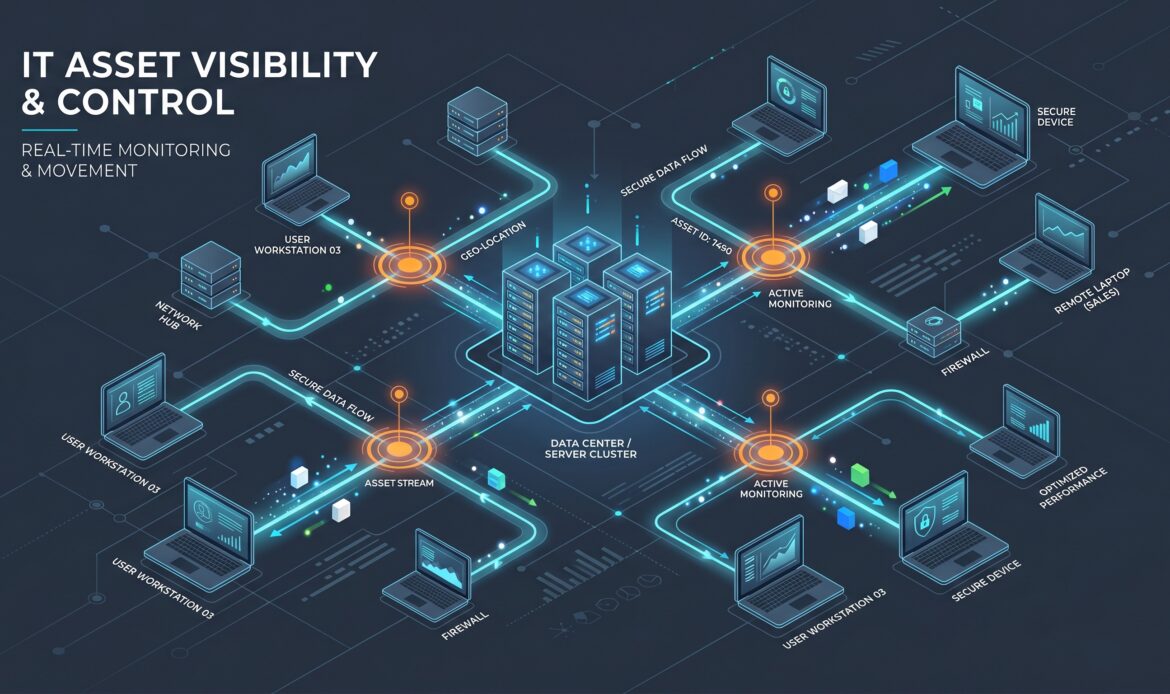
An IT asset audit follows a structured and logical workflow. Each step builds on the previous one to ensure accuracy, transparency, and complete visibility of all IT resources. When followed properly, the entire asset verification process becomes smooth and reliable.
1. Asset Identification
The process begins with identifying all existing assets across the organization. Every hardware, software, and digital resource is listed in an IT asset register audit. This step creates a foundation for the entire audit, ensuring that no item is left untracked or undocumented.
2. Data Collection
Once assets are identified, detailed information is collected. This includes ownership details, physical or virtual location, usage status, and configuration data. As a result, a complete IT asset inventory is developed, which helps in understanding how resources are distributed and utilized.
3. Asset Verification
After data collection, verification is performed. Assets are checked physically or through automated tools to confirm their existence and condition. This stage ensures that records match reality, strengthening the accuracy of the IT asset management audit process.
4. Reconciliation
In this step, collected data is compared with existing records. Any mismatches or missing entries are identified and corrected through the asset reconciliation IT process. Consequently, discrepancies are resolved, and data integrity is improved.
5. Reporting
Finally, all findings are compiled into a structured IT asset audit report. This report highlights asset status, discrepancies, risks, and recommendations. It becomes a key decision-making document for improving future IT asset lifecycle management and overall IT control.
Together, these steps ensure that the audit is not just a checklist activity but a complete system for maintaining accuracy, efficiency, and control over IT assets.
Common IT Asset Audit Mistakes
Even when an IT asset audit is carefully planned, errors can still creep in. These mistakes often go unnoticed at first, but over time they can cause financial loss, security risks, and poor decision-making. Understanding them helps in building a stronger IT asset management audit process.
Incomplete IT Asset Inventory
One of the most frequent issues is an incomplete IT asset inventory. When devices or software are not properly recorded, the entire audit becomes unreliable. As a result, organizations may assume they have more or fewer resources than they actually do, leading to poor planning and wasted investment.
Ignoring Software Licenses
Another common mistake is overlooking software licensing. Many businesses fail to track subscriptions and usage, which can lead to compliance violations. Therefore, a proper software asset audit is essential to ensure that all licenses are valid, updated, and legally compliant.
Lack of Automation Tools
Manual tracking is still used in some organizations, and this often leads to human error. Without IT asset audit software, data becomes outdated quickly and inconsistencies appear. Consequently, automation tools are crucial for maintaining accuracy and efficiency in the audit process.
Poor Asset Documentation
Weak or missing records can severely damage the quality of an IT asset documentation system. If details like ownership, location, or status are not properly recorded, future audits become difficult. This lack of clarity often leads to confusion and delays in decision-making.
Skipping Regular Audits
Finally, irregular auditing is a major mistake. When audits are not conducted regularly, small issues grow into larger problems over time. Therefore, skipping scheduled checks weakens the entire IT asset lifecycle management process and reduces overall control.
These mistakes may seem small individually, but together they can quietly drain resources—much like a slow leak that eventually empties the tank.
IT Asset Audit Checklist
A well-structured checklist helps simplify and organize the IT asset audit process, ensuring that no critical component is overlooked. It improves consistency, saves time, and makes the audit more reliable and easy to follow.
Verify all hardware assets
The first step is to physically and digitally verify all hardware assets within the organization. This includes desktops, laptops, servers, printers, routers, and other connected devices. Each asset should be checked against existing records to ensure it is properly accounted for and functioning as expected.
Review software licenses and compliance
Software licenses must be carefully reviewed to ensure compliance with vendor agreements. This involves checking whether all installed software is properly licensed, up to date, and being used within permitted terms. This step helps prevent legal issues, penalties, and unnecessary software costs.
Check asset ownership records
Accurate ownership records are essential for accountability. During the audit, it is important to confirm which department or individual is responsible for each asset. This helps in tracking usage, reducing losses, and ensuring proper responsibility for maintenance and handling.
Confirm network asset configurations
Network-related assets such as servers, switches, firewalls, and routers should be reviewed for correct configuration. This ensures that all systems are properly connected, secure, and operating according to organizational standards. It also helps identify any unauthorized or misconfigured devices.
Validate asset lifecycle status
Each asset goes through a lifecycle from procurement to disposal. During the audit, it is important to validate the current status of each item—whether it is in use, under maintenance, outdated, or ready for replacement. This helps in better planning, budgeting, and resource optimization.
Overall benefit
By following this checklist, a configuration management audit becomes more structured, efficient, and accurate. It ensures full visibility of IT resources, improves control over assets, and supports better decision-making across the organization.
Best Practices for IT Asset Audit
To ensure an IT asset audit is accurate, efficient, and valuable, organizations should follow a set of structured best practices. These practices not only improve data accuracy but also make the entire process more streamlined and less time-consuming.
Use automated IT asset audit tools
Using automated tools is one of the most effective ways to improve audit accuracy. These tools can automatically scan networks, detect hardware and software, and update asset records in real time. This reduces manual effort, minimizes human error, and ensures that even hidden or unauthorized devices are identified quickly. Automation also speeds up reporting and provides deeper insights into asset usage patterns.
Maintain updated asset documentation
Keeping asset documentation up to date is essential for a successful audit. Every addition, removal, or change in IT assets should be recorded immediately. This includes details like purchase date, warranty, location, user assignment, and license information. Well-maintained documentation ensures that auditors always have accurate and reliable data to work with.
Conduct audits regularly
Regular audits help organizations stay in control of their IT environment. Instead of waiting for issues to arise, periodic audits (annual, quarterly, or monthly depending on size) ensure continuous monitoring of assets. This practice helps identify missing, unused, or outdated resources early, allowing timely corrections and better resource planning.
Align with IT audit frameworks
Following recognized IT audit frameworks such as COBIT or ITIL ensures that the audit process meets global standards. These frameworks provide structured guidelines for governance, risk management, and compliance. Aligning with them improves consistency, enhances credibility, and ensures that audits support both operational and regulatory requirements.
Train staff on asset management
Employees play a key role in maintaining accurate asset records. Proper training ensures that staff understand how to handle IT assets responsibly, update records correctly, and follow company policies. Well-trained staff reduce errors and help maintain consistency across the organization’s asset management system.
Overall impact
When these best practices are followed together, the IT asset audit process becomes significantly smoother, more reliable, and more efficient. Organizations gain better visibility over their resources, reduce risks, improve compliance, and optimize overall IT performance.
Tools Used for IT Asset Audit
Modern businesses no longer rely on scattered spreadsheets or manual logs for an IT asset audit. Instead, smart tools and automation platforms are widely used to bring speed, accuracy, and control into the process. As a result, the entire IT asset management audit becomes more efficient and far less error-prone.
IT Asset Audit Software
At the core of modern auditing are dedicated IT asset audit software solutions. These tools automatically scan networks, detect connected devices, and maintain a live IT asset inventory. Consequently, assets are tracked in real time without manual effort, reducing the chances of missing or duplicated records.
Network Scanning Tools
Another important category includes network scanning tools. These tools identify all devices connected to an organization’s infrastructure, such as laptops, servers, and printers. Therefore, a complete network asset audit can be performed with higher accuracy and speed.
Asset Tracking Systems
Asset tracking systems are also widely used to monitor hardware and digital resources throughout their lifecycle. With these systems, movement, usage, and status updates are recorded continuously. As a result, the IT asset lifecycle management process becomes more transparent and controlled.
Reporting and Analytics Tools
In addition, reporting tools play a major role in simplifying decision-making. These tools automatically generate an IT asset audit report that highlights discrepancies, risks, and optimization opportunities. Consequently, organizations can make data-driven decisions with confidence.
Automation and Integration Platforms
Finally, automation platforms integrate different systems into one unified dashboard. This ensures that software licenses, hardware data, and cloud assets are all synchronized. Therefore, the overall asset verification process becomes smoother, faster, and more reliable.
Benefits of IT Asset Audit
The benefits of an IT asset audit are often underestimated, yet they play a powerful role in shaping how efficiently an organization runs. When properly executed, an IT asset management audit doesn’t just organize data—it transforms chaos into clarity and control.
Cost Savings Through Asset Optimization
One of the biggest advantages is cost reduction. When an accurate IT asset inventory is maintained, duplicate purchases and unused resources are identified quickly. As a result, spending is optimized, and unnecessary expenses are avoided. Over time, this leads to significant financial savings.
Improved Security and Risk Management
Security is also greatly strengthened. Untracked devices and outdated software can create hidden vulnerabilities. However, when an IT asset audit is performed, these weak points are detected early. Consequently, risk management becomes more effective, and the organization’s digital environment becomes safer.
Better Compliance with Regulations
In addition, compliance becomes much easier to maintain. Regulatory frameworks such as ISO require accurate tracking and documentation of assets. Through a structured IT compliance audit, organizations are able to meet these standards more efficiently and avoid penalties or legal complications.
Enhanced IT Asset Visibility
Another key benefit is improved visibility. When all assets are properly documented, organizations gain a clear view of their IT ecosystem. Therefore, asset visibility IT improves decision-making, as managers can see what is available, what is in use, and what is underutilized.
Streamlined Operations
Finally, operations become more streamlined. With accurate data and proper tracking systems in place, workflows run more smoothly. As a result, the entire IT asset lifecycle management process becomes more efficient, reducing delays and improving productivity across departments.
In simple terms, an IT asset audit can be compared to cleaning a cluttered room. Once everything is sorted and organized, clarity naturally appears, and managing resources becomes far easier and more effective.
IT Asset Audit for Compliance
Compliance requirements are becoming stricter every year. Therefore, an IT asset audit for compliance is essential for maintaining proper control over IT resources.
Meeting Standards Like ISO
Standards such as ISO require accurate tracking and documentation of all IT assets. Through an IT asset management audit, organizations ensure that hardware, software, and digital resources are properly recorded. As a result, compliance becomes easier and more reliable.
Avoiding Legal and Financial Risks
Without regular audits, missing or incorrect asset data can lead to serious issues like penalties or legal complications. However, with consistent IT compliance audits, these risks are reduced, and better control is maintained.
Challenges in IT Asset Audit
Despite its importance, an IT asset audit is not always a smooth process. In many organizations, several obstacles are faced that make it harder to maintain accuracy, control, and consistency in the IT asset management audit process.
Large Number of Assets
One major challenge is the sheer volume of assets. Large organizations may have thousands of devices, licenses, and digital resources spread across different locations. As a result, maintaining a complete IT asset inventory becomes time-consuming and complex, increasing the chances of missing or duplicate entries.
Lack of Centralized Systems
Another common issue is the absence of a centralized system. When asset data is stored in multiple tools or spreadsheets, confusion often arises. Therefore, it becomes difficult to perform a unified asset verification process, and inconsistencies start to appear across departments.
Outdated Records
In many cases, asset records are not updated regularly. Devices may be replaced, moved, or decommissioned, but the documentation remains unchanged. Consequently, outdated information weakens the accuracy of the IT asset audit report, leading to poor decision-making.
Complex IT Infrastructure
Modern IT environments are highly complex, involving cloud services, virtual machines, and hybrid networks. This complexity makes it harder to track every component during a network asset audit. As a result, visibility is reduced, and some assets may go unnoticed.
Resistance from Employees
Finally, resistance from employees can slow down the audit process. Some staff members may not prioritize asset tracking or may avoid sharing information. Therefore, the IT asset lifecycle management process becomes less effective and harder to enforce.
These challenges can make the audit feel like solving a puzzle with missing pieces, where each missing detail affects the overall picture of IT control and accuracy.
IT Asset Audit Frequency

One of the most common questions is how often an IT asset audit should be performed. The answer is not one-size-fits-all, as it depends on the size, complexity, and structure of the organization.
Annual Audits for Standard Organizations
In most cases, it is generally recommended that an IT asset management audit is conducted at least once a year. This helps ensure that the IT asset inventory remains accurate and aligned with real-time usage. As a result, outdated or missing data can be corrected before it creates bigger issues.
Quarterly Audits for Large Enterprises
However, for larger organizations with complex systems, annual checks may not be enough. In such environments, quarterly audits are often required. Therefore, frequent IT compliance audits help maintain tighter control, especially when assets are constantly changing or being added.
Importance of Regular Audits
Regular auditing ensures that information does not become outdated. Consequently, businesses can make better decisions, reduce risks, and maintain strong IT asset lifecycle management practices. Without consistency, asset data can quickly lose accuracy and reliability.
IT Asset Audit Report
An IT asset audit report is the final and most important output of the audit process. It summarizes findings and provides actionable insights that help organizations improve their IT control systems.
Key Components of the Report
A well-structured report typically includes:
- Summary of audit findings
- List of verified IT assets
- Identified discrepancies or missing items
- Risk assessment results
- Recommendations for improvement
Role of the Audit Report
This report acts as a roadmap for better IT asset control audit practices. It highlights gaps in the system and provides clear guidance on how to fix them. As a result, decision-makers can plan upgrades, reduce risks, and improve overall efficiency.
Ultimately, the IT asset audit report is not just documentation—it is a strategic tool that supports long-term IT governance and smarter resource management.
Future of IT Asset Audit
With rapid advancements in technology, the IT asset audit process is no longer what it used to be. It is steadily shifting from manual checking to intelligent, automated ecosystems where data flows in real time and decisions are made faster than ever.
Rise of Automation in Auditing
Automation is playing a major role in reshaping the IT asset management audit landscape. Instead of manually tracking devices and software, automated systems now continuously update the IT asset inventory. As a result, human effort is reduced, and accuracy is significantly improved. This shift is making audits faster, smoother, and far more reliable.
Role of AI in Smart Asset Tracking
Artificial Intelligence is also transforming how audits are performed. AI-powered systems can detect anomalies, predict asset failures, and even suggest optimization strategies. Therefore, the asset verification process is becoming smarter and more proactive rather than reactive.
Growth of Cloud-Based Audit Systems
Cloud technology is another major driver of change. With cloud-based platforms, organizations can perform IT compliance audits from anywhere in the world. Data is stored centrally, updated in real time, and easily accessible. Consequently, collaboration between departments becomes more seamless and efficient.
Increasing Popularity of Automated Tools
As a result of these advancements, automated IT asset audit tools are becoming more widely adopted. These tools reduce errors, improve visibility, and streamline the entire IT asset lifecycle management process. Businesses are no longer relying on outdated spreadsheets but instead embracing intelligent digital systems.
Conclusion
In the end, an IT asset audit is far more than a routine checklist activity. It is a strategic process that brings control, clarity, and accountability into an organization’s entire IT environment. When properly implemented, it strengthens IT asset management audit practices and ensures that every resource is tracked, verified, and optimized.
Although it may initially feel complex or time-consuming, a structured approach makes it highly manageable. With consistent processes, proper tools, and regular reviews, even large and complicated systems can be brought under control.
So, the next time IT resources are reviewed, a simple question should be asked: are they truly being controlled, or are they just assumed to be? Because anything that is not tracked cannot be effectively managed, and anything not managed can quietly turn into hidden costs, risks, or inefficiencies over time.
Learn more about Electronic Waste Disposal Canberra: 9 Shocking Realities.
Frequently Asked Questions
What is the main goal of an IT asset audit?
The main goal of an IT asset audit is to ensure that all hardware, software, and digital assets within an organization are accurately tracked, recorded, and regularly updated. It helps verify ownership, monitor usage, and ensure compliance with internal policies and external regulations.
By maintaining a clear and updated inventory, organizations gain better control over their IT resources, reduce duplication, and improve decision-making. Ultimately, this process helps minimize security risks, prevent asset loss, and reduce unnecessary operational costs.
How often should an IT asset audit be conducted?
An IT asset audit is typically conducted once a year in most organizations to ensure records remain accurate and aligned with current assets. However, in larger companies or environments where technology changes rapidly, audits may be carried out quarterly or even semi-annually.
Frequent auditing is recommended because it helps keep asset data up to date, improves accountability, and ensures compliance with industry standards and regulations. Regular checks also help identify missing, unused, or outdated assets early.
What tools are used in an IT asset audit?
Various IT asset audit tools are used to simplify and automate the tracking, monitoring, and reporting of IT resources. These tools can scan networks to detect connected devices, track software installations, and manage license usage efficiently.
They reduce manual workload and minimize human error by providing real-time data and automated reports. Many organizations prefer cloud-based asset management tools because they offer scalability, remote access, and better integration with other IT systems.
What are the risks of not performing an IT asset audit?
If an IT asset audit is not performed regularly, organizations may lose track of important hardware and software assets, leading to mismanagement or misuse. This can create serious security vulnerabilities, such as unauthorized access or unmonitored devices on the network.
It can also result in compliance violations, financial losses due to unused or over-purchased licenses, and inefficient use of resources. Over time, these issues can disrupt business operations and reduce overall productivity and control over IT infrastructure.