

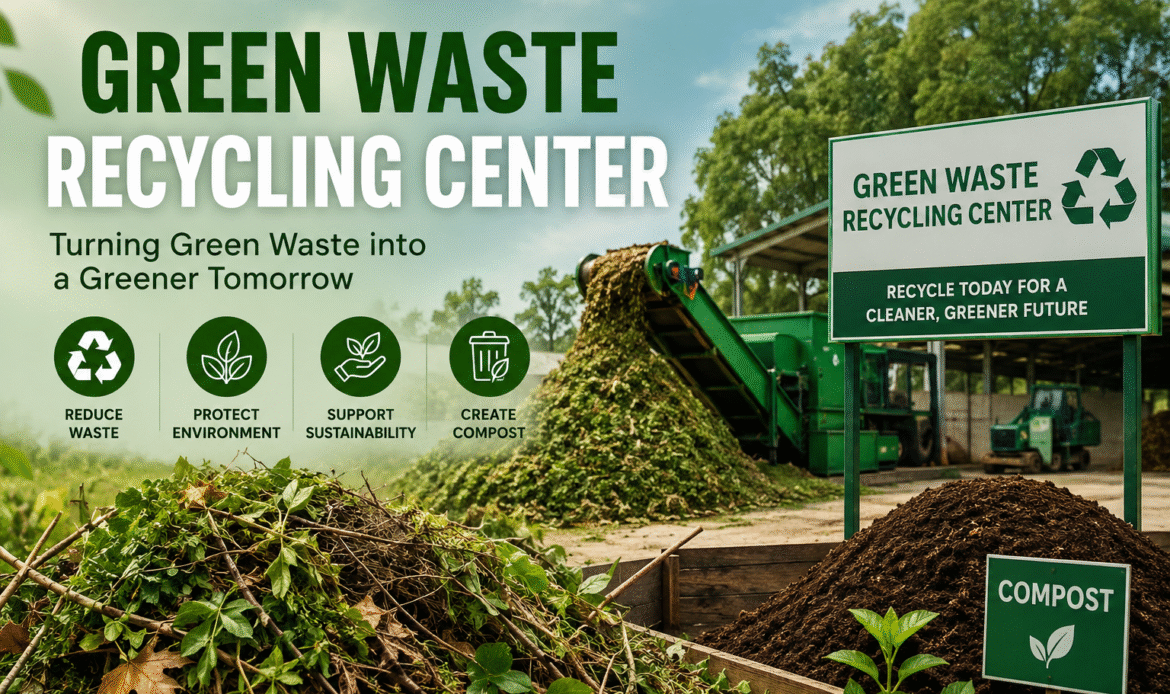
Green waste recycling center services play an important role in managing organic waste responsibly and supporting environmentally friendly waste disposal practices. Instead of sending garden waste to landfills, these facilities collect, sort, process, and recycle natural materials such as grass clippings, leaves, tree branches, and other biodegradable yard waste into valuable products like compost, mulch, and soil conditioners. This recycling process helps reduce landfill waste, lowers greenhouse gas emissions, conserves natural resources, and promotes a more sustainable approach to waste management for communities and businesses alike.
Whether you are a homeowner maintaining your garden, a professional landscaper handling large-scale yard projects, or a business owner looking for responsible disposal solutions, understanding how a green waste recycling center operates can help you make better environmental decisions. By using these facilities, you contribute to a circular economy where organic waste is transformed into useful products instead of becoming pollution. Choosing a reliable green waste recycling center is a simple yet effective way to support cleaner neighborhoods, healthier soil, and long-term environmental sustainability.
What Is a Green Waste Recycling Center?
A green waste recycling center is a specialized facility that collects, sorts, and processes biodegradable garden and landscape waste into reusable products. Instead of allowing organic waste to accumulate in landfills, these facilities recycle natural materials through composting, grinding, and shredding processes to produce nutrient-rich compost, mulch, and other beneficial products. A green waste recycling center helps reduce landfill waste, lowers greenhouse gas emissions, conserves valuable natural resources, and supports sustainable waste management practices. Homeowners, landscapers, businesses, and local councils all rely on these facilities to dispose of organic waste responsibly while contributing to a cleaner and healthier environment. Most green waste recycling center facilities accept a wide range of biodegradable garden materials, including:
- Garden trimmings
- Grass clippings
- Tree branches
- Leaves
- Shrubs
- Wood chips
Why Choose a Green Waste Recycling Center?
Using a green waste recycling center offers numerous environmental, economic, and community benefits for both individuals and organizations. Instead of sending biodegradable garden waste to landfills, these facilities transform organic materials into valuable products that can be reused in landscaping, gardening, and agriculture. A green waste recycling center helps reduce landfill waste, produces nutrient-rich compost and mulch, lowers greenhouse gas emissions, supports sustainable landscaping practices, conserves natural resources, and keeps neighborhoods cleaner by encouraging responsible disposal of green waste. These advantages make green waste recycling an essential part of modern waste management systems.
The positive impact of a green waste recycling center extends beyond waste disposal by promoting a more sustainable and circular approach to managing organic materials. The compost and mulch produced improve soil health, reduce the need for chemical fertilizers, and support healthier plant growth in gardens, parks, and farms. At the same time, recycling green waste helps preserve landfill space, minimizes environmental pollution, and encourages communities to adopt eco-friendly habits. These combined benefits make a green waste recycling center an important resource for protecting the environment while creating long-term value from organic waste.
How Does a Green Waste Recycling Center Work?
A green waste recycling center follows a carefully planned recycling process that transforms biodegradable garden waste into useful products such as compost and mulch. Instead of allowing organic materials to decompose in landfills, the center processes them through several controlled stages that maximize recycling efficiency and minimize environmental impact. Every step is designed to recover valuable nutrients from green waste while reducing pollution, conserving landfill space, and supporting sustainable waste management practices.
Collection
The recycling process begins with the collection of green waste from residential homes, public parks, commercial properties, schools, municipalities, and landscaping projects. Common materials include grass clippings, leaves, tree branches, shrubs, hedge trimmings, and other biodegradable garden waste. Depending on the local area, waste may be collected through curbside green bin programs or transported directly to the green waste recycling center by homeowners, gardeners, landscapers, and waste management companies.
Efficient collection is one of the most important stages because it ensures organic waste is separated from general household rubbish before contamination occurs. Delivering clean green waste to a green waste recycling center not only increases recycling rates but also helps reduce methane emissions generated by organic materials that would otherwise decompose in landfills. This organized collection system forms the foundation of an effective green waste recycling program.
Sorting
After arriving at the green waste recycling center, every load is carefully inspected and sorted to remove unwanted materials. Workers and specialized equipment separate biodegradable garden waste from contaminants such as plastic bags, metal, glass, treated timber, stones, and other non-organic materials that cannot be composted. This quality control process is essential for maintaining the efficiency of the recycling operation.
Proper sorting ensures that only clean organic materials continue through the recycling process, resulting in higher-quality compost and mulch. It also protects shredding and processing equipment from damage while reducing the risk of contamination in the finished products. A thorough sorting process allows the green waste recycling center to produce safe, environmentally friendly soil products suitable for residential, commercial, and agricultural use.
Processing
Once the organic materials have been sorted, they are processed using powerful industrial shredders and grinders that break branches, shrubs, and other bulky waste into smaller, uniform pieces. Reducing the size of the material significantly increases its surface area, allowing microorganisms to decompose it more quickly and efficiently during composting. This stage also makes the material easier to transport and manage throughout the recycling process.
The processing stage helps create a consistent mixture that improves airflow, moisture retention, and heat distribution inside compost piles. These conditions encourage faster decomposition while producing a more uniform finished product. By carefully preparing the organic material, a green waste recycling center can shorten composting times, improve product quality, and maximize the amount of waste that is successfully recycled.
Composting
Following processing, the shredded material is placed into controlled composting systems where naturally occurring microorganisms begin breaking down the organic matter. Throughout the composting period, temperature, moisture, oxygen levels, and airflow are closely monitored to create ideal conditions for decomposition. Proper management also helps eliminate harmful bacteria, weed seeds, and plant diseases, resulting in a safe and nutrient-rich final product.
One important technical term associated with this stage is lignocellulosic biomass, which refers to plant-based materials composed primarily of cellulose, hemicellulose, and lignin. These natural compounds gradually decompose through microbial activity over several weeks or months, depending on the composting method used. This biological process transforms green waste into high-quality compost that enriches soil, improves plant growth, and supports sustainable agriculture.
Final Products
Once the composting cycle is complete, the finished material is screened to remove oversized particles and undergoes quality checks before distribution. The primary products produced by a green waste recycling center include compost, mulch, and other organic soil conditioners that can be used in residential gardens, farms, parks, golf courses, and commercial landscaping projects. These products return valuable nutrients to the soil while reducing the need for synthetic fertilizers.
The recycled products provide numerous long-term environmental and agricultural benefits. Compost improves soil structure, enhances moisture retention, increases microbial activity, and promotes healthier plant growth, while mulch helps control weeds, regulate soil temperature, and reduce water evaporation. By converting organic waste into valuable landscaping materials, a green waste recycling center completes the recycling cycle and demonstrates how sustainable waste management can benefit both people and the environment.
Materials Accepted at a Green Waste Recycling Center
A green waste recycling center accepts a wide variety of biodegradable garden and landscape materials that can be safely recycled into compost, mulch, and other useful organic products. These facilities are specifically designed to handle natural plant-based waste generated from homes, parks, businesses, and landscaping projects. Commonly accepted materials include grass clippings, leaves, tree branches, bush trimmings, bark, untreated wood, and garden plants. Recycling these materials helps reduce landfill waste while supporting sustainable environmental practices.
Although a green waste recycling center accepts many types of organic waste, there are also important restrictions to ensure the recycling process remains safe and efficient. Most facilities do not accept treated timber, plastic bags, food waste, chemically contaminated soil, construction debris, or other non-biodegradable materials because they can contaminate compost or damage processing equipment. Since acceptance policies may vary between recycling facilities, it is always recommended to check the approved materials list before transporting your green waste.
Environmental Benefits of a Green Waste Recycling Center
A green waste recycling center plays a significant role in protecting the environment by ensuring that biodegradable garden waste is recycled instead of being disposed of in landfills. Through composting and other sustainable recycling methods, these facilities convert organic waste into valuable resources that improve soil quality, conserve natural resources, and reduce pollution. As communities continue to focus on sustainable waste management, the importance of a green waste recycling center continues to grow because it provides long-term environmental, economic, and social benefits.
Reduces Landfill Waste
One of the biggest environmental advantages of using a green waste recycling center is the significant reduction in landfill waste. Every year, large amounts of garden waste such as leaves, branches, grass clippings, and shrubs are generated by households and commercial landscaping projects. When these materials are recycled instead of discarded, valuable landfill space is preserved and waste management systems become more efficient.
Reducing the amount of organic waste sent to landfills also helps lower waste disposal costs for local councils and municipalities. Since landfills have limited capacity and require substantial resources to maintain, diverting biodegradable waste to a green waste recycling center extends landfill lifespan while supporting more sustainable waste management practices for future generations.
Improves Soil Health
Another major benefit of a green waste recycling center is the production of high-quality compost that improves soil health. During the recycling process, organic materials are transformed into nutrient-rich compost that naturally enhances soil fertility without relying heavily on synthetic fertilizers. This compost contains valuable organic matter that supports healthy plant growth and strengthens soil structure.
Healthy soil is better able to retain moisture, improve drainage, and support beneficial microorganisms that contribute to long-term agricultural productivity. Whether used in home gardens, public parks, farms, or landscaping projects, compost produced by a green waste recycling center helps create healthier ecosystems while reducing the environmental impact of chemical soil treatments.
Reduces Greenhouse Gas Emissions
A green waste recycling center also helps reduce greenhouse gas emissions by preventing organic waste from decomposing inside landfills. When biodegradable materials break down in oxygen-free landfill conditions, they produce methane, a greenhouse gas that is significantly more effective at trapping heat than carbon dioxide. Diverting green waste from landfills therefore plays an important role in reducing climate change impacts.
Instead of generating methane, organic materials processed at a green waste recycling center decompose under carefully controlled composting conditions where oxygen is present. This aerobic process produces far fewer harmful emissions while converting waste into useful compost and mulch. As more households and businesses choose green waste recycling, communities can lower their overall carbon footprint and contribute to a cleaner, healthier environment.
Who Can Use a Green Waste Recycling Center?
A green waste recycling center is designed to serve a wide variety of users who generate biodegradable garden and landscape waste. Whether the waste comes from residential homes, commercial landscaping projects, educational institutions, agricultural operations, or public parks, these facilities provide a convenient and environmentally responsible disposal solution. By using a green waste recycling center, individuals and organizations can recycle organic materials instead of sending them to landfills, helping conserve natural resources, reduce greenhouse gas emissions, and support sustainable waste management. Regardless of the amount of green waste produced, these recycling centers make it easier for everyone to dispose of it responsibly while contributing to a cleaner environment.
Many different individuals, businesses, and public organizations benefit from the services offered by a green waste recycling center. Some of the most common users include:
- Parks and recreation departments
- Homeowners cleaning their gardens
- Landscaping companies
- Local councils
- Schools and universities
- Farmers
Tips for Recycling Green Waste Properly
Recycling organic waste correctly helps a green waste recycling center operate more efficiently and produce higher-quality compost and mulch. Following a few simple best practices can prevent contamination, improve the recycling process, and ensure that valuable organic materials are successfully converted into reusable products. Whether you are disposing of garden waste from your home or managing a larger landscaping project, taking a little extra care before disposal can make a significant difference. To get the best results when using a green waste recycling center, follow these simple tips:
- Separate green waste from general rubbish.
- Remove plastic, stones, and metal before disposal.
- Cut large branches into smaller pieces if required.
- Check your local recycling center’s accepted materials.
- Use compost in your own garden whenever possible.
Green Waste Recycling Center and Sustainable Living
A green waste recycling center plays an important role in supporting sustainable living by transforming biodegradable garden waste into valuable resources instead of sending it to landfills. Through environmentally friendly processes such as composting and shredding, these facilities convert grass clippings, leaves, branches, and other organic materials into nutrient-rich compost and mulch. This approach reduces waste, conserves natural resources, lowers greenhouse gas emissions, and encourages responsible waste management. By choosing a green waste recycling center, homeowners, businesses, and local communities can actively participate in creating a cleaner environment while promoting the efficient reuse of organic materials.
Sustainable living extends beyond recycling alone and includes practices such as proper garden waste disposal, organic waste recycling, home composting, and the use of professional composting facilities. Together, these efforts improve soil health, increase water retention, reduce dependence on chemical fertilizers, and support healthier gardens, parks, and agricultural land. A green waste recycling center serves as a key part of this sustainable cycle by ensuring that organic waste is reused instead of discarded, helping communities protect the environment and preserve valuable natural resources for future generations.
Green Waste Recycling Center and Its Importance
A green waste recycling center is an essential part of modern waste management because it provides a sustainable and environmentally responsible way to recycle organic garden waste instead of sending it to landfills. Every year, households, businesses, and landscaping companies generate large amounts of biodegradable waste, including grass clippings, leaves, tree branches, shrubs, and garden trimmings. Rather than allowing these materials to decompose in landfill sites and contribute to pollution, a green waste recycling center collects and processes them into valuable products that can be reused in gardening, agriculture, and landscaping.
By transforming organic waste into nutrient-rich compost, mulch, and other soil conditioners, a green waste recycling center helps conserve natural resources while reducing landfill waste and greenhouse gas emissions. These recycled products improve soil fertility, increase water retention, and reduce the need for chemical fertilizers, making them beneficial for both residential and commercial use. As communities place greater emphasis on sustainable waste management and environmental conservation, the importance of a green waste recycling center continues to grow, supporting cleaner cities, healthier ecosystems, and a more sustainable future.ou can also learn more about our services for secure and professional enterprise equipment disposal here: services
Supports Sustainable Waste Management
A green waste recycling center plays a vital role in sustainable waste management by ensuring that biodegradable garden waste is recycled instead of being discarded in landfills. Organic materials such as grass clippings, leaves, tree branches, shrubs, and garden trimmings are collected and processed into useful products like compost and mulch rather than becoming environmental waste. This sustainable approach helps conserve landfill space, recover valuable organic resources, and reduce the negative environmental impact associated with traditional waste disposal. By converting green waste into reusable materials, a green waste recycling center supports a more efficient and environmentally responsible waste management system.
In addition to reducing landfill waste, a green waste recycling center contributes to a circular economy where organic materials are continuously recycled and reused instead of being thrown away after a single use. This process helps lower waste management costs for local councils, improves recycling rates, conserves natural resources, and encourages environmentally friendly practices within communities. By supporting sustainable landscaping, agriculture, and soil improvement, green waste recycling creates long-term environmental and economic benefits for homeowners, businesses, and municipalities alike. Some of the key benefits include:
- Reduces the amount of waste sent to landfills.
- Conserves valuable landfill space.
- Produces reusable compost and mulch.
- Supports a circular economy.
- Lowers waste management and disposal costs.
- Conserves natural resources.
- Encourages sustainable waste management practices.
- Benefits agriculture, landscaping, and home gardening.
Protects the Environment
One of the greatest advantages of a green waste recycling center is its positive impact on the environment. By diverting biodegradable garden waste away from landfills, these facilities help reduce the amount of waste that accumulates in disposal sites and prevent the unnecessary loss of valuable organic materials. Instead of allowing leaves, grass clippings, branches, and other plant waste to decompose under landfill conditions, a green waste recycling center processes them through environmentally friendly recycling methods. This significantly reduces methane emissions, minimizes pollution, and supports cleaner air, healthier ecosystems, and more sustainable communities.
Beyond reducing pollution, a green waste recycling center creates valuable products that improve environmental health in multiple ways. The compost and mulch produced through the recycling process enrich soil with natural nutrients, improve soil structure, increase water retention, and reduce the need for synthetic fertilizers and chemical soil treatments. These benefits promote healthier plant growth, conserve water, and support biodiversity across gardens, farms, parks, and public landscapes. As more households, businesses, and local councils choose to recycle their green waste responsibly, the collective environmental benefits continue to grow, making a green waste recycling center an essential part of long-term environmental conservation efforts.
Creates Valuable Recycled Products
A green waste recycling center transforms biodegradable garden waste into valuable products instead of treating it as useless rubbish. Through controlled recycling processes such as shredding and composting, organic materials including leaves, grass clippings, branches, shrubs, and untreated wood are converted into high-quality compost, mulch, and other organic soil conditioners. These recycled products are widely used in residential gardens, commercial landscaping projects, public parks, farms, and horticultural operations because they naturally improve soil quality while reducing the need for chemical alternatives. This process allows valuable nutrients to be returned to the environment rather than being wasted in landfills.
The products created by a green waste recycling center offer long-term environmental and agricultural benefits that extend far beyond waste reduction. Compost enriches the soil with essential organic matter, improves soil structure, enhances moisture retention, and supports beneficial microorganisms that encourage healthier plant growth. Mulch helps regulate soil temperature, suppress weeds, reduce water evaporation, and protect the soil from erosion. By converting organic waste into practical and reusable resources, a green waste recycling center supports sustainable agriculture, eco-friendly landscaping, and responsible resource management while demonstrating how recycling can create lasting value for both the environment and the economy.
How a Green Waste Recycling Center Helps the Environment
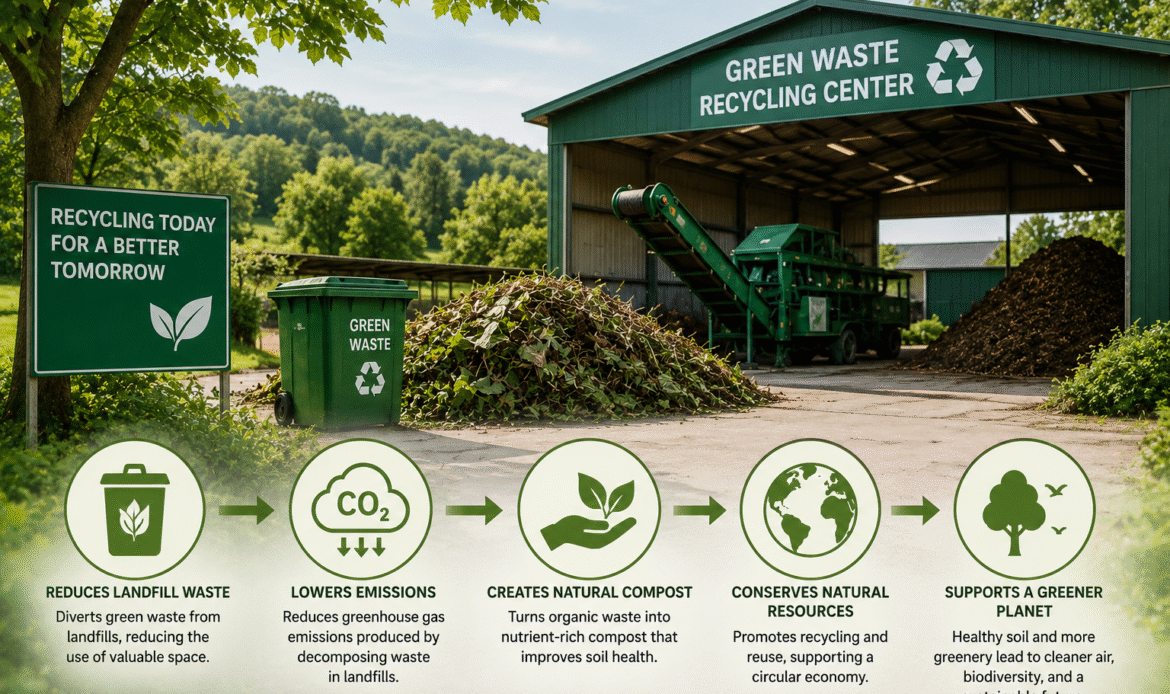
A green waste recycling center helps protect the environment by preventing large amounts of organic waste from being sent to landfills, where it would decompose and release harmful greenhouse gases such as methane. Instead, biodegradable materials like grass clippings, leaves, branches, and garden trimmings are recycled into compost and mulch through environmentally friendly processes. This reduces landfill waste, conserves natural resources, lowers pollution, and supports a more sustainable approach to waste management. By giving organic waste a second life, a green waste recycling center plays a key role in reducing the overall environmental impact of waste disposal.
The environmental benefits of a green waste recycling center extend beyond waste reduction by creating products that improve soil health and support sustainable land management. Compost enriches the soil with essential nutrients, improves water retention, and reduces the need for chemical fertilizers, while mulch helps control weeds, prevent soil erosion, and conserve moisture. These benefits promote healthier gardens, farms, parks, and natural ecosystems while encouraging responsible recycling habits among individuals, businesses, and local communities. As more green waste is recycled, the positive environmental impact continues to grow, contributing to a cleaner and greener future.
Items Not Accepted at a Green Waste Recycling Center
Although a green waste recycling center accepts a wide range of biodegradable garden materials, not every type of waste is suitable for recycling. Non-organic and contaminated materials can interfere with the composting process, reduce the quality of the final products, and even damage recycling equipment. For this reason, recycling centers have strict guidelines about what can and cannot be disposed of. Following these guidelines helps ensure that compost and mulch remain safe, clean, and suitable for agricultural, landscaping, and gardening applications.
Before visiting a green waste recycling center, it is important to check the list of prohibited materials because acceptance policies may vary between facilities. Disposing of unsuitable waste can lead to contamination, increase processing costs, and slow down recycling operations. While specific rules differ by location, the following items are commonly not accepted at most green waste recycling centers:
- Plastic bags and plastic packaging
- Treated or painted timber
- Food waste and kitchen scraps
- Glass bottles and containers
- Metal objects and scrap metal
- Bricks, concrete, and construction debris
- Chemically contaminated soil
- Hazardous waste or chemicals
- Household rubbish and general waste
- Rubber, textiles, and synthetic materials
How Compost Is Made from Green Waste
Compost is produced at a green waste recycling center through a carefully managed natural process that transforms biodegradable garden waste into a nutrient-rich soil conditioner. Organic materials such as grass clippings, leaves, branches, shrubs, and garden trimmings are first collected, sorted, and shredded into smaller pieces to speed up decomposition. The shredded material is then placed in controlled composting systems where the correct balance of moisture, oxygen, and temperature allows naturally occurring microorganisms to break down the organic matter efficiently. This process converts what would otherwise be waste into a valuable product that supports healthy plant growth.
Over several weeks or months, the organic material gradually decomposes into dark, crumbly compost that is rich in nutrients and beneficial microorganisms. During this time, compost piles are regularly monitored and turned to maintain proper airflow and ensure even decomposition while eliminating harmful pathogens and weed seeds. Once the compost has fully matured, it is screened to remove large particles before being distributed for use in home gardens, farms, landscaping projects, parks, and agricultural applications. The compost produced by a green waste recycling center improves soil fertility, increases water retention, and reduces the need for synthetic fertilizers, making it an essential product for sustainable land management.
Conclusion
A green waste recycling center is an essential part of modern waste management because it provides a sustainable solution for handling biodegradable garden and landscape waste. Instead of allowing organic materials to occupy valuable landfill space, these facilities recycle them into useful products such as compost and mulch that improve soil quality and support healthy plant growth. By reducing landfill waste, lowering greenhouse gas emissions, conserving natural resources, and promoting responsible recycling practices, a green waste recycling center plays a vital role in protecting the environment and building more sustainable communities.
Whether you are a homeowner maintaining a garden, a landscaping company managing large projects, or a local council responsible for public spaces, using a green waste recycling center is a practical way to contribute to environmental conservation. Recycling leaves, grass clippings, branches, shrubs, and other organic materials helps create a circular waste management system where valuable resources are reused instead of discarded. As more individuals and organizations adopt green waste recycling, communities can enjoy cleaner surroundings, healthier soil, reduced pollution, and a greener future for generations to come.
Frequently Asked Questions
What is a green waste recycling center?
A green waste recycling center is a facility that collects and processes organic garden waste such as grass, leaves, branches, and shrubs into useful products like compost and mulch.
What materials can I take to a green waste recycling center?
Most centers accept grass clippings, leaves, tree branches, hedge trimmings, bark, and untreated wood. Items like plastic, treated timber, and general household waste are usually not accepted.
Why is using a green waste recycling center important?
Using a green waste recycling center helps reduce landfill waste, lowers greenhouse gas emissions, conserves natural resources, and produces nutrient-rich compost that improves soil health.
Can businesses use a green waste recycling center?
Yes. Landscaping companies, gardening services, local councils, farms, and other businesses can use a green waste recycling center to dispose of organic waste responsibly and support sustainable waste management.