


ewaste recycling process plays a vital role in reducing electronic waste, protecting the environment, and recovering valuable materials from discarded electronic devices. As technology continues to evolve, millions of smartphones, laptops, televisions, and other electronic products become obsolete every year. Without a proper ewaste recycling process, many of these devices end up in landfills, where harmful substances such as lead, mercury, and cadmium can contaminate the soil and water. Proper recycling helps prevent pollution, reduces landfill waste, and supports responsible electronic waste management.
Understanding the ewaste recycling process helps individuals and businesses dispose of old electronics in a safe and environmentally friendly way. The process recovers valuable materials such as copper, aluminum, gold, plastics, and glass, allowing them to be reused in manufacturing new products. This reduces the need for raw materials, conserves natural resources, and lowers environmental impact. Whether you are replacing a smartphone, upgrading office equipment, or recycling household electronics, following the ewaste recycling process contributes to a cleaner environment and a more sustainable future.
The ewaste recycling process is a systematic method
The ewaste recycling process is a systematic method of collecting, sorting, dismantling, processing, and recovering valuable materials from discarded electronic devices. Instead of sending outdated electronics to landfills, certified recycling facilities carefully separate reusable materials and safely manage hazardous substances. This approach helps reduce environmental pollution, conserves natural resources, and supports sustainable waste management. As the number of discarded electronic devices continues to grow, understanding how these materials are recovered has become increasingly important for both individuals and businesses.
Copper
Copper is one of the most valuable materials recovered during the ewaste recycling process. It is widely used in electrical wiring, motors, circuit boards, and connectors because of its excellent electrical conductivity and durability. Since electronic devices contain significant amounts of copper, recycling helps recover this valuable metal instead of allowing it to go to waste.
Once extracted, recycled copper is cleaned and refined before being used to manufacture new electronic products, cables, and industrial equipment. Recovering copper through the ewaste recycling process reduces the need for mining, conserves natural resources, and lowers the environmental impact associated with metal extraction.
Aluminum
Aluminum is commonly found in laptop bodies, smartphone frames, heat sinks, and other electronic components. Its lightweight nature and resistance to corrosion make it an ideal material for many electronic products. The ewaste recycling process allows aluminum to be separated efficiently from other materials.
After recovery, aluminum is melted and reused in the production of new electronic devices and various industrial products. Recycling aluminum requires much less energy than producing it from raw ore, making the ewaste recycling process both environmentally and economically beneficial.
Gold
Gold is present in small amounts within printed circuit boards, connectors, and microchips because it provides excellent electrical conductivity and resists corrosion. Although the quantity in each device is small, millions of discarded electronics contain enough gold to make recovery worthwhile.
The ewaste recycling process uses specialized techniques to safely extract gold from electronic components. This recovered gold can then be reused in manufacturing new electronics and other products, reducing the need for additional mining and conserving valuable natural resources.
Silver
Silver is another precious metal commonly found in electronic devices due to its outstanding conductivity. It is used in switches, circuit boards, contacts, and various electronic components that require reliable electrical performance.
During the ewaste recycling process, silver is carefully separated from other materials and refined for future use. Recovering silver not only reduces waste but also supports sustainable manufacturing by providing a valuable source of recycled raw material.
Steel
Steel forms the structural framework of many electronic products, including desktop computers, household appliances, and office equipment. It provides strength, durability, and protection for delicate internal components throughout the product’s lifespan.
The ewaste recycling process separates steel using advanced sorting methods, allowing it to be recycled into construction materials, vehicles, appliances, and other metal products. Recycling steel helps conserve iron ore and reduces the energy required for manufacturing new steel.
Plastic
Plastic is used extensively in electronic casings, insulation, keyboards, and numerous internal components. Different types of plastics require careful identification and sorting before they can be recycled effectively during the ewaste recycling process.
Once sorted, recyclable plastics are cleaned, processed, and converted into raw materials for manufacturing new products. Recycling plastic through the ewaste recycling process reduces landfill waste, conserves petroleum resources, and supports a more sustainable production cycle.
Glass
Glass is mainly recovered from monitors, televisions, and other display devices. Certain electronic screens contain specialized glass that requires careful handling to ensure it can be safely recycled without harming the environment.
During the ewaste recycling process, recyclable glass is cleaned, processed, and reused in manufacturing new products whenever possible. Recovering glass helps reduce waste, conserve raw materials, and minimize the environmental impact of electronic disposal.
Electronic devices may also contain hazardous substances such as lead, mercury, and cadmium. A properly managed ewaste recycling process ensures these toxic materials are safely removed, treated, and disposed of according to environmental regulations.
By preventing hazardous chemicals from contaminating soil and water, the ewaste recycling process protects human health, preserves ecosystems, and ensures that valuable resources are recovered responsibly instead of being lost in landfills.
Why the ewaste recycling process Is Important
Every year, millions of tons of electronic waste are generated across the world as consumers and businesses replace old devices with newer models. Many of these discarded electronics still contain valuable metals, plastics, and other reusable materials that should not be wasted. A well-managed ewaste recycling process ensures these resources are recovered efficiently while reducing the environmental impact of electronic waste. It also helps conserve natural resources and promotes responsible disposal practices for homes, businesses, and industries.
The ewaste recycling process is important because it:
- Reduces landfill waste.
- Conserves natural resources.
- Saves energy by reusing materials.
- Prevents environmental pollution.
- Supports the circular economy.
- Creates employment opportunities.
- Protects public health.
Without a proper ewaste recycling process, hazardous substances such as lead, mercury, and cadmium can leak into the soil and groundwater, causing long-term environmental damage. Responsible recycling protects ecosystems, reduces health risks, and ensures that valuable materials remain in use instead of becoming harmful waste.
How the ewaste recycling process Works
The ewaste recycling process follows a series of carefully planned stages that ensure electronic waste is managed safely, efficiently, and in an environmentally responsible manner. Every stage is designed to maximize the recovery of valuable and reusable materials while minimizing the risks associated with hazardous electronic components. From the initial collection of discarded devices to the final separation of reusable resources, each step plays an essential role in reducing waste and supporting sustainable resource management. Proper recycling also helps conserve raw materials that would otherwise require energy-intensive mining and extraction.
Modern recycling facilities combine advanced machinery with the expertise of trained professionals to process different types of electronic waste. This organized approach improves recycling efficiency, reduces the amount of waste sent to landfills, and helps recover metals, plastics, glass, and other reusable materials. A well-managed ewaste recycling process not only protects the environment but also supports the circular economy by returning valuable resources back into the manufacturing cycle.
Collection of Electronic Waste
The first stage of the ewaste recycling process involves collecting discarded electronic devices from homes, offices, schools, factories, businesses, and authorized recycling centers. Proper collection ensures that electronic waste is diverted away from landfills and enters certified recycling systems where it can be managed safely. Organized collection programs make it easier for consumers and businesses to dispose of outdated electronics in an environmentally responsible manner instead of discarding them with regular household waste.
During this stage, a wide range of electronic products, including computers, laptops, mobile phones, printers, televisions, keyboards, batteries, and networking equipment, are gathered for processing. Many communities also organize collection drives and drop-off locations to encourage responsible disposal. By increasing public awareness and providing convenient recycling options, the ewaste recycling process helps reduce illegal dumping while ensuring that valuable materials remain available for recovery and reuse.
Transportation to Recycling Facilities
After collection, the electronic waste is transported to licensed recycling facilities where the ewaste recycling process continues under strict environmental and safety regulations. These specialized facilities are designed to safely handle both valuable recyclable materials and hazardous electronic components. Proper transportation is essential because it ensures that electronic waste reaches certified recycling centers without causing environmental contamination.
During transportation, electronic devices are carefully packed, labeled, and secured to prevent physical damage or leakage from batteries and other sensitive components. Special handling procedures are followed for equipment containing hazardous substances to minimize potential risks. Safe transportation preserves the quality of recyclable materials while protecting workers, nearby communities, and the environment throughout the recycling chain.
Sorting and Inspection
Once the electronic waste arrives at the recycling facility, it undergoes a detailed sorting and inspection process. Trained workers examine each item based on its type, size, condition, age, and material composition to determine the most suitable recycling method. Accurate sorting is essential because different electronic products require different handling and processing techniques.
Some electronic devices remain functional or require only minor repairs, making them suitable for refurbishment and resale instead of complete recycling. Electronics that cannot be repaired continue through the ewaste recycling process, where they are prepared for material recovery. Careful inspection and sorting improve operational efficiency, increase the recovery of valuable materials, and reduce unnecessary waste during later processing stages.
Manual Dismantling
Many electronic devices are manually dismantled before they enter automated processing systems. Skilled workers carefully remove valuable, reusable, and potentially hazardous components while ensuring that delicate materials are handled safely. Manual dismantling provides greater control than automated systems, especially when working with complex electronic equipment that contains multiple valuable parts.
During this stage of the ewaste recycling process, components such as batteries, circuit boards, hard drives, screens, cables, power supplies, and memory modules are separated from the main device. Some reusable parts may even be tested for refurbishment before recycling begins. This careful dismantling process protects valuable materials from damage and improves the overall efficiency of material recovery.
Mechanical Processing in the ewaste recycling process
After dismantling is complete, the remaining materials move into automated mechanical processing systems. These advanced machines are designed to break electronic waste into smaller pieces and separate different materials using specialized technologies. Mechanical processing allows recycling facilities to handle large volumes of electronic waste quickly while maintaining high recovery rates.
The ewaste recycling process uses technologies such as shredding, crushing, magnetic separation, air separation, and density separation to divide metals, plastics, glass, and other materials into separate streams. Each technology performs a specific function that improves material purity and makes the recovered resources easier to recycle. This stage significantly increases the amount of reusable material that can be returned to manufacturing industries.
Shredding
Shredding is one of the first mechanical stages of the ewaste recycling process. Powerful industrial shredders break electronic devices into much smaller pieces, making it easier for recycling systems to separate the different materials contained within each product. This process prepares electronic waste for the advanced sorting technologies used in later stages.
Reducing electronic waste into smaller fragments increases the surface area of the materials, allowing metals, plastics, and glass to be separated more efficiently. Proper shredding improves recovery rates, reduces processing time, and ensures that valuable materials can be extracted with greater accuracy. It also helps prepare mixed waste for the next stages of mechanical separation.
Magnetic Separation
Magnetic separation is used to remove ferrous metals such as iron and steel from shredded electronic waste. Powerful industrial magnets attract these metals while allowing plastics, glass, aluminum, and other non-magnetic materials to continue through the recycling system. This method is both efficient and highly accurate for separating metal components.
Recovered iron and steel are then sent to metal recycling industries, where they are melted, refined, and reused to manufacture new products. This stage of the ewaste recycling process reduces the demand for newly mined metals, lowers production costs, and decreases the environmental impact associated with metal extraction and manufacturing.
Eddy Current Separation
Eddy Current Separation is an advanced technology used to recover non-ferrous metals such as aluminum from mixed electronic waste. Unlike traditional magnets, this system generates rapidly changing magnetic fields that repel non-ferrous metals, allowing them to be separated from plastics and other materials with remarkable precision.
By recovering aluminum and similar metals more efficiently, the ewaste recycling process achieves higher recycling rates while minimizing material loss. This advanced separation technology improves the overall quality of recovered materials and allows recycling facilities to maximize the value of the resources extracted from discarded electronics.
Optical Sorting
Optical sorting is one of the most advanced stages of the ewaste recycling process. Modern recycling facilities use high-speed cameras, sensors, lasers, and computerized systems to identify different plastics and materials based on their color, composition, shape, and other physical characteristics. This technology enables accurate material recognition without manual intervention.
Once identified, automated equipment separates these materials into individual categories for further recycling and processing. Optical sorting increases the purity of recovered materials, reduces contamination, and improves the overall quality of recycled products. As a result, manufacturers receive cleaner raw materials that can be used to produce new electronic devices and other consumer products more efficiently.
Material Recovery During the ewaste recycling process
Recovering valuable resources is one of the primary objectives of the ewaste recycling process. Electronic devices contain a wide range of reusable materials that can be extracted, refined, and returned to the manufacturing cycle instead of being discarded as waste. By recovering these resources, recycling facilities reduce the need for mining and the extraction of new raw materials, helping conserve natural resources and lower the environmental impact of manufacturing.
The ewaste recycling process focuses on maximizing material recovery while ensuring that hazardous substances are handled safely. Advanced recycling technologies and specialized treatment methods allow valuable metals, plastics, and glass to be separated efficiently, making electronic recycling both environmentally sustainable and economically beneficial.
Metal Recovery
Metal recovery is one of the most valuable stages of the ewaste recycling process because electronic devices contain several precious and industrial metals that can be reused. Materials such as gold, silver, copper, palladium, and aluminum are commonly found in circuit boards, connectors, wiring, processors, and other electronic components. Although some of these metals are present in small quantities, their combined value becomes significant when large volumes of electronic waste are processed.
After the metals are separated from other materials, they are cleaned, refined, and prepared for reuse in manufacturing new electronic devices, industrial equipment, automotive parts, and various consumer products. Recovering these metals through the ewaste recycling process reduces the demand for mining, lowers energy consumption, minimizes greenhouse gas emissions, and supports a more sustainable circular economy.
Plastic Recovery
Plastic recovery is another important part of the ewaste recycling process because many electronic products contain plastic casings, insulation, keyboards, connectors, and internal structural components. Instead of allowing these plastics to accumulate in landfills, recycling facilities carefully identify, sort, and separate different plastic types so they can be processed efficiently. Proper sorting is essential because different plastics require different recycling methods.
Once separated, the plastic materials are cleaned, shredded, melted, and converted into reusable raw materials for manufacturing new plastic products. This stage of the ewaste recycling process reduces the demand for virgin plastic production, conserves petroleum-based resources, lowers manufacturing costs, and helps reduce the amount of plastic waste released into the environment.
Glass Recovery
Glass recovery plays a significant role in the ewaste recycling process, particularly for discarded computer monitors, televisions, and other electronic display devices. Many types of electronic glass can be cleaned, processed, and recycled into new industrial products, reducing the need for fresh raw materials. Recovering glass also helps decrease landfill waste while supporting sustainable manufacturing practices.
Certain older display technologies, especially cathode ray tube (CRT) monitors and televisions, require specialized treatment because they may contain lead and other hazardous substances. During the ewaste recycling process, these materials are carefully handled and processed using approved environmental procedures to prevent contamination. Safe glass recycling protects both human health and the environment while ensuring that recyclable materials are recovered responsibly.
Safe Disposal of Hazardous Materials
Not every component recovered during the ewaste recycling process can be recycled or reused. While valuable materials such as metals, plastics, and glass are recovered for future use, certain electronic components contain hazardous substances that require specialized handling and disposal. Proper treatment of these materials is essential to protect human health, prevent environmental contamination, and comply with environmental regulations. Certified recycling facilities use strict safety procedures to ensure these dangerous components are managed responsibly throughout the ewaste recycling process.
- Chemical residues
- Mercury switches
- Lead-containing glass
- Cadmium batteries
- Lithium batteries
Environmental Benefits of the ewaste recycling process
The ewaste recycling process offers significant environmental benefits by reducing pollution, conserving natural resources, and promoting sustainable waste management. As the volume of discarded electronic devices continues to increase worldwide, proper recycling has become an essential solution for minimizing the environmental impact of electronic waste. Recovering reusable materials while safely handling hazardous substances helps create a cleaner environment and supports long-term sustainability for future generations.
Reduces Landfill Waste
Electronic products occupy valuable landfill space and can remain there for many years without breaking down completely. Through the ewaste recycling process, millions of discarded devices are diverted from landfills every year, allowing valuable materials to be recovered instead of wasted. This reduces pressure on landfill sites, minimizes environmental pollution, and encourages more responsible waste management practices.
Conserves Natural Resources
Mining metals and extracting raw materials require enormous amounts of energy, water, and natural resources while often causing significant environmental damage. The ewaste recycling process recovers valuable metals such as copper, aluminum, gold, and silver from old electronics, reducing the need for new mining operations. This helps preserve natural resources, protects ecosystems, and supports a more sustainable manufacturing industry.
Reduces Greenhouse Gas Emissions
Manufacturing products from recycled materials generally requires much less energy than producing the same materials from newly mined resources. By recovering reusable materials through the ewaste recycling process, industries can lower energy consumption and reduce greenhouse gas emissions associated with mining, transportation, and manufacturing. This contributes to climate change mitigation and supports global sustainability efforts.
Protects Wildlife
Hazardous chemicals from improperly discarded electronic waste can contaminate soil, rivers, forests, and other natural habitats, threatening both plants and wildlife. The ewaste recycling process ensures these harmful substances are safely removed and managed before they can enter the environment. Responsible recycling helps preserve biodiversity, protects ecosystems, and reduces the long-term environmental risks associated with electronic waste.
Economic Benefits of the ewaste recycling process
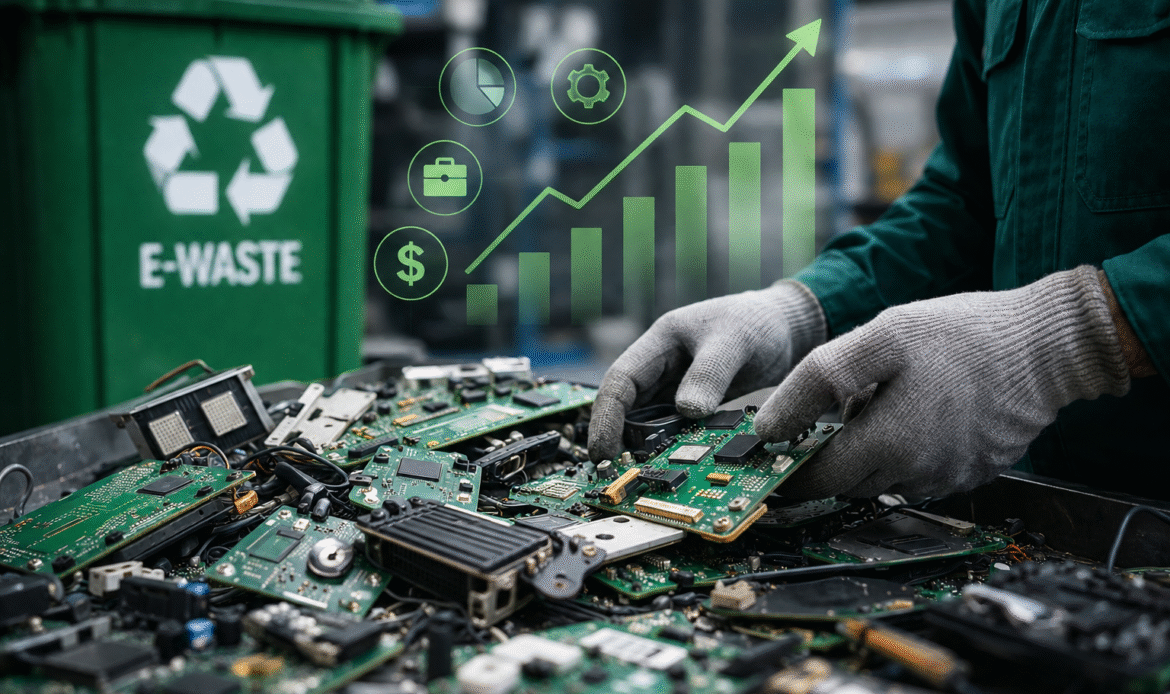
The ewaste recycling process provides significant economic benefits by creating employment opportunities, reducing manufacturing expenses, and supporting the growth of sustainable industries. As the demand for electronic devices continues to increase, recycling has become an important part of the global economy by recovering valuable materials that can be reused in production. In addition to protecting the environment, the ewaste recycling process strengthens supply chains, encourages investment in recycling infrastructure, and contributes to long-term economic development.
Recycling industries create thousands of jobs in:
- Manufacturing
- Collection
- Transportation
- Repair
- Refurbishment
- Recycling
Challenges in the ewaste recycling process
Although the ewaste recycling process offers numerous environmental and economic benefits, it also faces several important challenges that can reduce its overall effectiveness. The growing volume of electronic waste, limited recycling infrastructure in some regions, and the complexity of modern electronic devices make recycling more difficult and expensive. Addressing these challenges requires stronger regulations, improved recycling technologies, greater public awareness, and better cooperation between manufacturers, governments, businesses, and consumers.
Rapid Growth of Electronic Waste
The rapid advancement of technology has significantly increased the amount of electronic waste generated each year. Consumers frequently replace smartphones, computers, tablets, televisions, and household electronics with newer models, often long before the existing devices reach the end of their useful life. This continuous rise in discarded electronics places additional pressure on recycling facilities and makes the ewaste recycling process more challenging as larger volumes of waste must be collected, sorted, and processed efficiently.
Informal Recycling
In many parts of the world, electronic waste is still processed through informal recycling practices that do not follow proper environmental or safety standards. Unsafe methods such as burning wires to recover copper or using harmful chemicals to extract valuable metals expose workers to toxic substances and release dangerous pollutants into the environment. Strengthening formal recycling systems and promoting certified recycling facilities can make the ewaste recycling process safer, more efficient, and environmentally responsible.
Lack of Public Awareness
A major challenge facing the ewaste recycling process is the lack of public awareness about proper electronic waste disposal. Many people continue to throw old electronics into household garbage because they are unaware of nearby recycling centers or the environmental risks associated with improper disposal. Public education campaigns, convenient collection programs, and community awareness initiatives can encourage more people to recycle their electronic devices responsibly.
Complex Product Design
Modern electronic devices contain hundreds of small components, mixed materials, and tightly integrated designs that make recycling more difficult. Separating valuable metals, plastics, glass, and hazardous substances often requires specialized equipment, skilled workers, and advanced recycling technologies. To improve the ewaste recycling process, many manufacturers are now designing products that are easier to dismantle, repair, and recycle, helping increase material recovery while reducing processing costs.
How Individuals Can Support the ewaste recycling process
Everyone can contribute to the ewaste recycling process by making responsible choices when purchasing, using, repairing, and disposing of electronic devices. Simple everyday actions help reduce electronic waste, conserve valuable resources, and prevent hazardous materials from polluting the environment. By adopting sustainable habits and using certified recycling services, individuals can play an important role in improving recycling rates and supporting a cleaner, more environmentally responsible future.
Simple actions include:
- Buy products made from recycled materials.
- Donate working electronics.
- Repair devices instead of replacing them.
- Use certified recycling centers.
- Delete personal data before recycling.
- Recycle batteries separately.
Role of Businesses in the ewaste recycling process
Businesses generate large amounts of electronic waste through regular equipment upgrades, technology replacements, and the disposal of outdated office devices. By adopting responsible waste management practices, organizations can significantly improve the ewaste recycling process while reducing their environmental impact. Implementing sustainable recycling strategies not only helps businesses comply with environmental regulations but also protects valuable resources, enhances corporate responsibility, and supports long-term sustainability goals.
Organizations can support the ewaste recycling process by developing clear recycling policies that establish proper procedures for collecting, storing, and disposing of electronic waste. Partnering with certified recycling companies ensures that discarded electronics are processed according to environmental regulations while valuable materials are safely recovered. Businesses should also securely destroy sensitive data before recycling old devices to protect confidential information and prevent data breaches. Maintaining accurate records of electronic asset disposal improves accountability and regulatory compliance, while purchasing durable, energy-efficient, and recyclable electronics helps reduce future electronic waste. Together, these practices strengthen corporate sustainability efforts and contribute to a more efficient and environmentally responsible ewaste recycling process.
Future of the ewaste recycling process
The future of the ewaste recycling process is becoming increasingly advanced through the adoption of automation, robotics, artificial intelligence, and other innovative technologies. Modern recycling facilities are investing in smart systems that can identify, sort, and separate different materials with greater speed and accuracy than traditional methods. These technological improvements not only increase the recovery of valuable metals and reusable materials but also reduce operational costs, improve recycling efficiency, and minimize waste. As technology continues to evolve, the ewaste recycling process is expected to become more sustainable, cost-effective, and capable of handling the growing volume of electronic waste generated around the world.
Researchers are also developing environmentally friendly extraction techniques that require fewer hazardous chemicals while improving the recovery of precious metals from discarded electronics. At the same time, governments are introducing stricter environmental regulations, encouraging manufacturers and consumers to adopt more responsible recycling practices. Businesses looking for professional electronic waste recycling solutions can also explore our recycling services to ensure safe and compliant disposal. Many electronics manufacturers are now designing products that are easier to repair, upgrade, dismantle, and recycle, making the ewaste recycling process more efficient throughout a product’s lifecycle.
Common Items Accepted in the ewaste recycling process
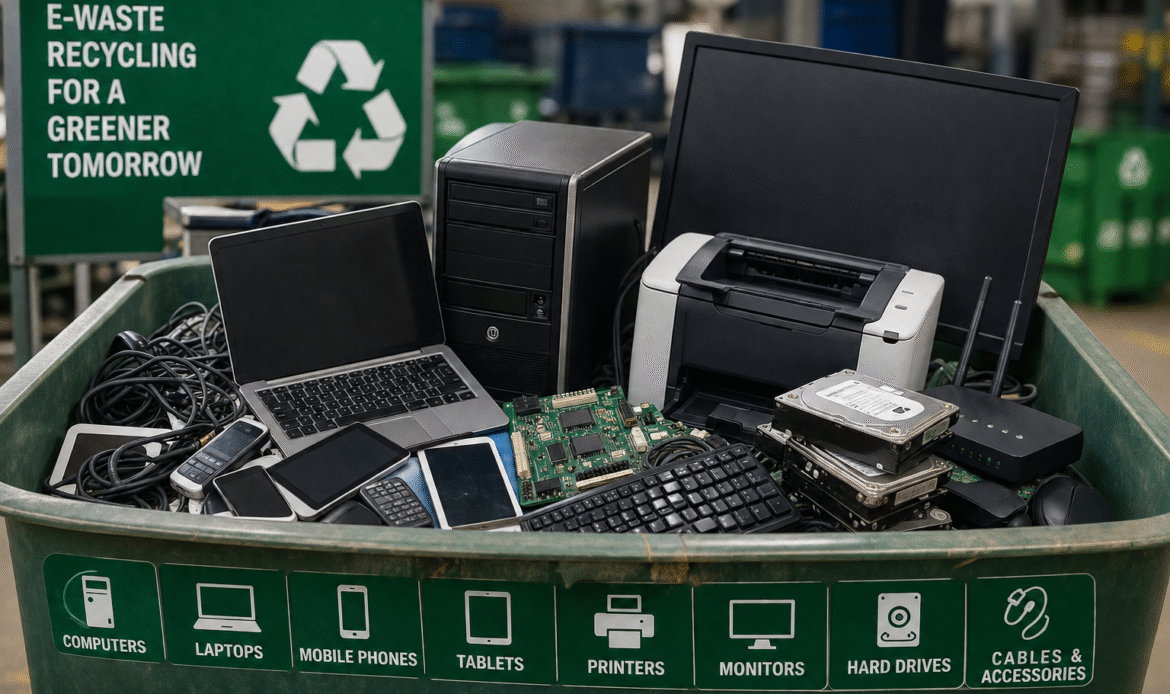
Most recycling facilities accept a wide variety of electronic products through the ewaste recycling process, making it easier for individuals and businesses to dispose of outdated devices responsibly. Accepted items may vary depending on the recycling facility, local regulations, and the available recycling technology. Before dropping off electronic waste, it is always a good idea to confirm which products are accepted by your local recycling center to ensure they are processed safely and efficiently.
Common examples include:
- Computer mice
- Desktop computers
- Laptops
- Smartphones
- Tablets
- Computer monitors
- Printers
- Scanners
- Routers
- Televisions
- Gaming consoles
- Speakers
- Chargers
- Cables
- External hard drives
- Keyboards
Conclusion
The ewaste recycling process is one of the most effective ways to reduce environmental pollution while conserving valuable natural resources. From collection and sorting to dismantling, material recovery, and the safe disposal of hazardous components, every stage contributes to a cleaner and more sustainable world. As electronic waste continues to grow, responsible recycling becomes increasingly important for individuals, businesses, and governments alike.
By understanding how the ewaste recycling process works and choosing certified recycling facilities, everyone can help reduce landfill waste, recover valuable materials, conserve energy, and protect future generations from the harmful effects of electronic pollution. Supporting the ewaste recycling process through responsible disposal and recycling practices promotes a circular economy, encourages sustainable resource management, and creates lasting environmental benefits. Small actions taken today can collectively lead to a healthier planet and a more sustainable future for generations to come.
Frequently Asked Questions
What is the ewaste recycling process?
The ewaste recycling process is the collection, sorting, dismantling, and recycling of old electronic devices to recover valuable materials and safely dispose of hazardous components.
Why is the ewaste recycling process important?
It helps reduce landfill waste, conserves natural resources, prevents pollution, and recovers valuable metals like gold, copper, and aluminum from discarded electronics.
What electronic items can be recycled?
Most recycling centers accept computers, laptops, smartphones, tablets, printers, monitors, keyboards, cables, gaming consoles, and other electronic devices.
Can I throw electronic waste in regular household trash?
No. Electronic waste should be taken to a certified e-waste recycling center because it contains hazardous materials that can harm the environment if disposed of improperly.