


Electronic waste disposal Canberra is slowly turning into a silent challenge, yet it is still not treated with the urgency it truly deserves. In almost every home, there is a familiar scene—a drawer that barely opens, a cardboard box tucked away in storage, or a shelf quietly filled with outdated gadgets. Old phones, unused chargers, broken headphones, and forgotten laptops are often kept aside without much thought, slowly turning into a hidden collection of digital history.
Over time, these items stop being noticed and are mentally “parked” as useless. However, the reality is quite different. These devices are not truly dead or without value. Instead, they are simply in a waiting phase, holding materials that can still be recovered. If handled incorrectly, they may contribute to environmental harm, but if processed properly, they can be reused, recycled, and transformed into something useful again.
Table of Contents
The Hidden Cost of Ignoring E-Waste
Ignoring old electronics may feel harmless at first, especially when they are simply kept aside in drawers, cupboards, or storage boxes. However, when it comes to electronic waste disposal Canberra, the impact does not disappear—it slowly builds up in the background over time. Each unused device becomes part of a growing pool of untapped electronic waste that is often forgotten but still carries environmental consequences.
Locked Value Inside Stored Devices
When devices are stored instead of being recycled through proper electronic waste disposal Canberra systems, valuable materials such as metals, plastics, and rare components remain locked away and unused. These materials are designed to be reused in manufacturing systems, but when they sit idle for long periods, their potential is wasted. Over time, this creates a silent loss of resources that could have been recovered and reintroduced into production cycles.
Increasing Pressure on Natural Resources
As more electronic materials are left unrecovered due to poor electronic waste disposal Canberra practices, the demand for fresh raw materials continues to rise. Since recycled resources are not being fed back into the system, industries are required to rely more heavily on mining and extraction. This increases environmental pressure and leads to higher energy consumption, resource depletion, and pollution caused by extraction processes.
Small Habits Creating Bigger Environmental Strain
What often appears as “just keeping old gadgets for later” is actually an indirect contributor to environmental strain when viewed through the lens of electronic waste disposal Canberra challenges. When this behavior is repeated across households and businesses, the impact becomes significant. Over time, it adds to resource wastage, slows recycling efficiency, and weakens the overall sustainability of electronic waste management systems.
From Upgrade Culture to Waste Crisis
Technology is evolving at a very fast pace. A new update arrives, a newer model is launched, and suddenly even a perfectly working device starts to feel outdated. This constant cycle of upgrades has quietly changed how people view electronics—not as long-term tools, but as short-term possessions.
Because of this rapid upgrade culture, electronic waste disposal Canberra has become more critical than ever, as electronic devices are being replaced more frequently than ever before. As a result, electronic waste is being generated at an increasing and concerning rate in Canberra as well as across other regions. What was once considered a rare issue has now become a regular part of modern consumption patterns.
It is no longer limited to broken or damaged electronics. In many cases, fully functional devices are also being discarded simply because newer versions offer slightly better features or design improvements. This shift in mindset is significantly contributing to the growing e-waste problem, making responsible disposal and recycling more important than ever before.
What Really Happens to Your Old Devices?
The Journey After You Throw It Away
Once electronics are discarded, they do not simply disappear. Instead, they begin a hidden journey that depends entirely on how they are handled. In many cases, old devices are directed through several possible paths, each with very different consequences for the environment and resource recovery.
They may be sent to landfills, where they slowly break down and release harmful substances into the soil over time. In other situations, they are processed through formal recycling systems, where materials are carefully extracted and reused. Some devices are exported as second-hand goods, extending their life in other markets. Others are dismantled for material recovery, allowing metals, plastics, and other components to be reused in manufacturing. Unfortunately, in some cases, they are also illegally dumped, which creates serious environmental risks.
Each of these paths carries a different impact. When electronics are not managed correctly, valuable resources are lost and pollution increases. On the other hand, responsible handling through recycling helps reduce waste and supports a more sustainable system. The choice of disposal method ultimately determines whether old devices become an environmental burden or a source of recovered value.
The Environmental Domino Effect
When Small Mistakes Turn Into Large-Scale Damage
Improper disposal of electronic waste does not remain limited to a single location or moment in time. Instead, it gradually spreads like falling dominoes, triggering a chain reaction that impacts multiple layers of the environment. What begins as a simple act of throwing away an old device can slowly develop into a much larger ecological issue over time.
How Pollution Slowly Spreads
This is how Pollution Slowly Spreads:
The First Stage: Soil Contamination
When toxic materials begin to leak from discarded electronics, the first visible impact is usually on the soil. Heavy metals and harmful chemicals slowly seep into the ground, gradually weakening its natural structure and disrupting its biological balance. As the soil becomes contaminated, its ability to support plant life is reduced, and essential nutrients start to degrade over time. This creates an imbalance in the local ecosystem, especially in areas that rely on healthy soil for vegetation and agriculture.
The Second Stage: Water System Impact
After soil contamination begins, the effects do not remain restricted to one layer of the environment. Pollutants gradually travel deeper and can reach underground water reserves, which are often used as a source of drinking water. At the same time, surface water systems such as rivers, streams, and lakes may also become affected through runoff and natural water movement. As these toxic substances spread, entire water networks can be contaminated, extending the environmental damage far beyond the original disposal site.
The Third Stage: Entry Into the Food Chain
Eventually, the contamination does not stay confined to soil and water alone. It begins to enter the food chain through multiple pathways. Plants absorb polluted water and nutrients from contaminated soil, animals consume affected vegetation, and humans are exposed through food and water sources. This indirect exposure means that the impact of improper electronic waste disposal can extend to both wildlife and human populations. Over time, continuous exposure to these pollutants can contribute to serious health and ecological concerns, making the issue far more significant than it first appears.
Valuable Materials Hiding in Plain Sight
Your Old Electronics Are Not Useless. Most people do not realize that electronic waste is far more valuable than it appears on the surface. What is often seen as “junk” or outdated technology actually contains a wide range of recoverable resources that can be reused in manufacturing and production industries.
Inside old devices, valuable materials are quietly embedded within their structure. Copper is commonly used in wiring, aluminum is found in device frames, gold is present in circuit boards, plastic components can be processed for reuse, and glass from screens can also be recycled into new products.
Why These Materials Matter
Instead of being wasted in landfills, these materials can be recovered through proper recycling systems and reintroduced into the production cycle. This not only reduces the need for raw material extraction but also supports a more sustainable use of resources.
In simple terms, throwing away electronic devices is often compared to discarding hidden value without realizing it. What seems like waste is actually a collection of reusable resources waiting to be recovered and put back to use.
Smart Disposal Options Available in Canberra
Managing electronic waste in Canberra has been made much easier through a range of organized and user-friendly disposal options. Instead of leaving old devices to pile up at home, residents now have multiple practical ways to ensure safe and responsible recycling.
Drop-off recycling centres are available across the city, allowing individuals to simply bring their unwanted electronics for proper processing. In addition, scheduled collection programs are offered in certain areas, making it even more convenient for households and businesses to dispose of larger amounts of e-waste.
Retailer take-back initiatives also play an important role, where stores accept old electronics when new products are purchased. For companies, business-focused disposal services are available to handle bulk electronic waste in a structured and compliant manner. Alongside these, free electronic waste recycling schemes further encourage responsible disposal without financial burden.
Common Habits That Make the Problem Worse
Common Habits That Make the Problem Worse:
Unnoticed Daily Choices Adding Up
The issue of electronic waste is not always created by ignorance. In many cases, it is shaped by small habits that are repeated over time without much thought. These patterns slowly build up and contribute to a larger environmental challenge.
Storing Old Devices Indefinitely
Many households tend to keep unused gadgets for years. Drawers and storage boxes are often filled with phones, chargers, and laptops that are no longer in use. While it may feel harmless, this behavior delays proper recycling and increases clutter over time.
Improper Disposal in Regular Bins
Another common habit is throwing electronics into general waste bins. This leads to improper processing, where valuable materials are lost and harmful substances may not be handled safely. As a result, environmental risks are increased.
Ignoring Available Recycling Options
Even when recycling facilities and programs are easily accessible, they are often overlooked. This missed opportunity means that devices which could have been reused or recycled end up as unnecessary waste.
Overlooking Data Safety Before Disposal
Before storing or discarding electronics, personal data is sometimes left untouched. This not only creates privacy risks but also reflects a lack of proper disposal practice, which is an important part of responsible e-waste management.
Prioritizing Convenience Over Responsibility
In many situations, quick disposal decisions are made simply for convenience. However, this short-term ease often leads to long-term environmental consequences that could have been avoided with more mindful choices.
How Businesses Are Handling E-Waste Differently
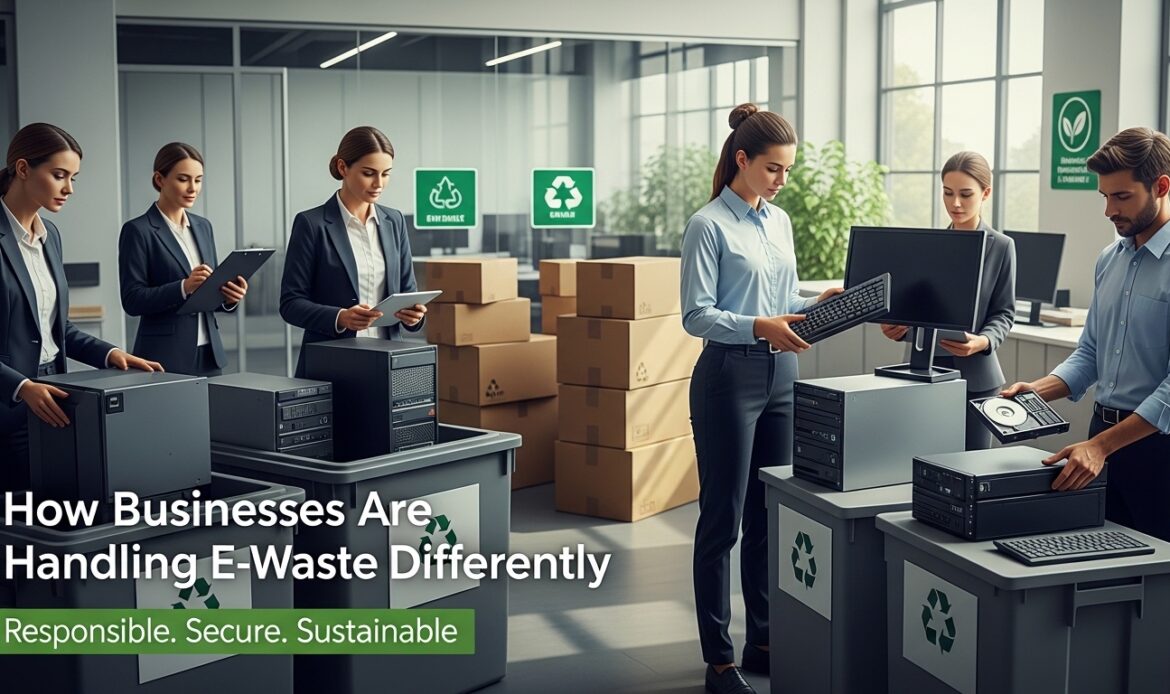
Businesses Are Handling E-Waste in new ways:
A Shift Toward Responsibility
Businesses of Electronic waste disposal canberra are now adopting a far more structured and responsible approach to electronic waste management. Unlike informal disposal methods of the past, e-waste is being handled through organized systems that focus on safety, compliance, and sustainability.
Bulk electronic waste pickup services are often arranged to manage large volumes of outdated equipment efficiently. IT equipment disposal is also being handled in a more professional manner, ensuring that devices are processed correctly instead of being discarded carelessly.
In addition, secure data destruction is being prioritized so that sensitive business information cannot be recovered after disposal. Environmental compliance is maintained through proper adherence to regulations, while long-term recycling strategies are being implemented to reduce overall waste generation.
This shift in approach is gradually helping to reduce large-scale environmental impact and is encouraging a more responsible and sustainable business culture in electronic waste disposal Canberra.
Role of Government in Managing E-Waste in Canberra
Government systems play a crucial role in shaping how electronic waste is managed in Canberra. As e-waste continues to grow, structured policies and regulations are being implemented to ensure that disposal methods remain safe, organized, and environmentally responsible. These guidelines help control how electronics are collected, processed, and recycled instead of being left unmanaged.
Environmental Regulations and Safety Standards
Strict environmental regulations are put in place to ensure that electronic waste is handled in a controlled manner. These rules are designed to prevent harmful substances from entering soil, water, and air. By enforcing proper standards, the government ensures that recycling and disposal activities follow environmentally safe procedures.
Recycling Programs and Collection Systems
To make responsible disposal easier, organized recycling programs are introduced across Canberra. Designated collection points and drop-off centers are made available so that residents and businesses can safely dispose of their old electronics. These systems reduce confusion and encourage more people to participate in proper recycling practices.
Reducing Illegal Dumping and Unsafe Disposal
One of the major goals of government involvement is to reduce illegal dumping of electronic waste. By improving access to recycling facilities and spreading awareness, fewer devices end up in unauthorized or unsafe disposal sites. This helps minimize environmental damage and keeps public spaces cleaner.
Encouraging Sustainable Waste Management
Through continuous efforts and structured policies, more sustainable waste management practices are being encouraged across the city. These initiatives not only support environmental protection but also promote long-term responsibility among individuals, businesses, and communities in handling electronic waste more effectively.
Inside the Recycling Process
Ever wondered what happens behind the scenes?
| Stage | What Happens |
|---|---|
| Collection | Devices are gathered from various locations |
| Sorting | Items are separated based on type |
| Dismantling | Components are taken apart |
| Extraction | Useful materials are recovered |
| Disposal | Hazardous elements are safely managed |
It is a cycle designed to turn waste into usable resources.
Simple Actions That Make a Big Difference
Small Steps Leading to Real Environmental Impact
Even though the e-waste problem is large, it can be significantly reduced through simple and practical actions. These small steps, when adopted consistently, create meaningful change over time.
Recycling Instead of Storing
Instead of keeping unused electronics indefinitely, they can be taken to recycling centres. This ensures that materials are recovered and devices are processed responsibly instead of being forgotten.
Donating Functional Devices
Working electronics do not always need to be discarded. They can be donated or passed on to others who may still find them useful. This extends the life of the device and reduces unnecessary waste.
Secure Data Removal Before Disposal
Before any device is recycled or donated, personal data should be properly erased. This ensures privacy protection while also making the device safe for reuse or recycling.
Using Local Recycling Facilities
Local e-waste centres provide structured and safe disposal options. By using these facilities regularly, individuals contribute to more effective electronic waste management in Canberra.
Spreading Awareness in the Community
Sharing knowledge about proper disposal methods encourages others to act responsibly as well. Over time, this builds a more informed and environmentally conscious community.
Breaking the Waste Cycle One Action at a Time
Even a single responsible decision can contribute to reducing electronic waste. When small actions are repeated across many people, they collectively help break the cycle of waste and support a cleaner environment.
The Future of E-Waste in Canberra
A Shift Toward Smarter and Cleaner Systems
The future of electronic waste in Canberra is being shaped by a strong combination of awareness, innovation, and policy development. Instead of being treated as a secondary issue, e-waste is gradually being recognized as an important environmental priority that requires long-term solutions.
Technology-Driven Recycling Improvements
Better recycling technologies are being introduced that allow more efficient recovery of valuable materials from old electronics. These advanced methods help reduce waste, improve material extraction, and minimize environmental harm. As these systems continue to evolve, recycling is becoming more effective and less resource-intensive.
Stronger Rules and Environmental Policies
At the same time, stricter regulations and environmental policies are being followed more consistently. These rules ensure that electronic waste is handled responsibly, whether by individuals, businesses, or recycling services. This structured approach is helping reduce improper disposal practices across the region.
Growing Public Awareness and Responsibility
People are also becoming more conscious of how their daily choices impact the environment. This growing awareness is encouraging more responsible behavior, such as recycling old devices, avoiding unnecessary upgrades, and using proper disposal channels. Over time, this cultural shift is playing a major role in changing how electronic waste is managed.
A Gradual but Meaningful Transformation
As innovation, regulation, and awareness continue to develop together, electronic waste management in Canberra is slowly being transformed. What was once a neglected issue is now moving toward a more organized, sustainable, and environmentally responsible system.
How Communities Are Raising Awareness
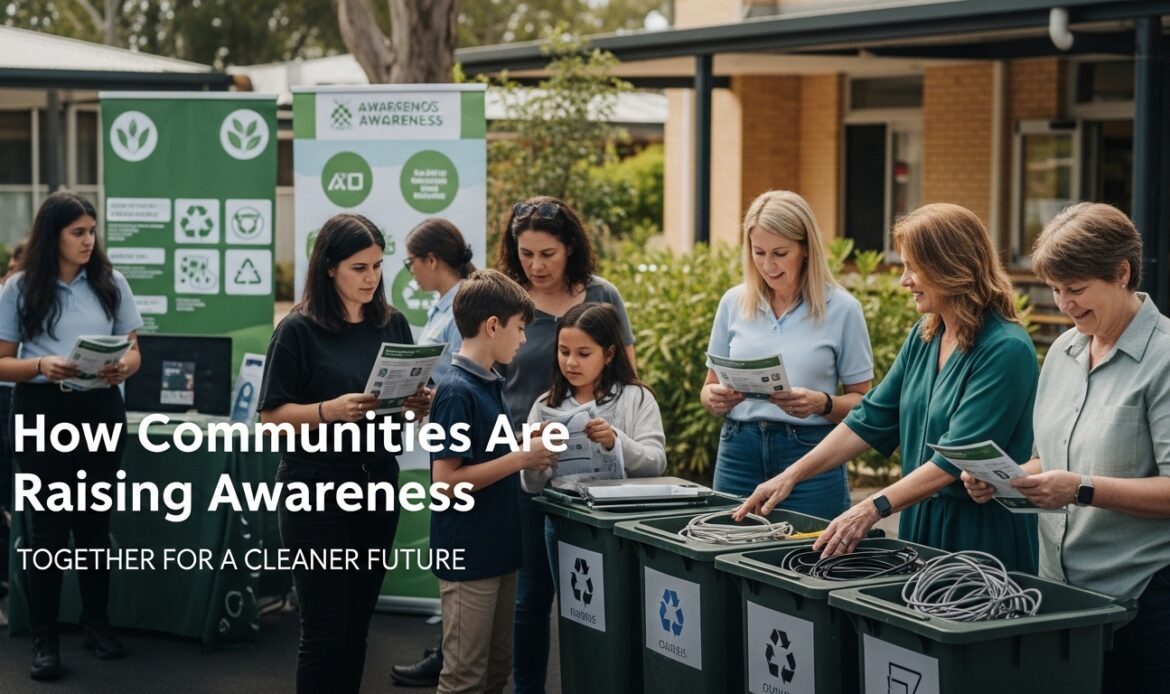
Local communities, schools, and organizations are playing a much more active role in spreading awareness about electronic waste and its environmental impact. What was once a quiet issue discussed only in technical spaces is now being brought into everyday conversations through education and public engagement.
Educational Campaigns Creating Understanding
Educational campaigns are being organized to help people understand what electronic waste actually is and why it matters. Through workshops, seminars, and awareness sessions, individuals are being guided on how improper disposal affects the environment. These initiatives are especially impactful in schools, where younger generations are introduced early to responsible recycling habits.
Community Collection Drives and Events
Many communities are also hosting collection drives where residents are encouraged to bring their old electronics for proper recycling. These events make disposal more convenient while also promoting participation. By providing easy access to recycling options, more people are motivated to take action instead of storing or discarding devices incorrectly.
Sustainability Programs Encouraging Long-Term Change
Sustainability programs run by organizations and local groups are helping to build long-term awareness. These programs focus not only on disposal but also on reducing unnecessary electronic consumption. Over time, they encourage more mindful usage of technology and better decision-making when upgrading devices.
A Shift in Public Behaviour
This growing awareness is slowly but steadily changing everyday habits. People are becoming more conscious of how they handle old devices and are starting to choose recycling and reuse over careless disposal. As a result, a stronger culture of responsibility is being formed, where more individuals take action instead of ignoring the issue.
Conclusion
Electronic waste disposal Canberra is no longer just a technical or industrial concern—it has become a lifestyle issue that reflects everyday habits and decisions. The way electronic devices are used, stored, upgraded, and eventually discarded plays a significant role in shaping the overall environmental impact. What seems like a small personal choice often contributes to a much larger collective outcome.
While the problem of e-waste continues to grow due to rapid technological change, the encouraging part is that practical solutions are already available and easily accessible. With more mindful choices, waste generation can be reduced, valuable resources can be recovered, and pressure on the environment can be significantly lowered. Over time, these small responsible actions can contribute to building a cleaner and more sustainable future.
So the next time an old device is picked up and set aside, it should not be viewed as useless or forgotten. Instead, it can be seen as something that still carries value—waiting for the right process to give it a meaningful second life
Learn more about Mobile Recycling Canberra: 7 Powerful Eco Wins Today Go.
Frequently Asked Questions
Why is electronic waste disposal Canberra such an important issue?
Electronic waste disposal Canberra is important because discarded electronics contain both toxic materials and valuable resources that must be managed carefully. When these devices are not handled properly, harmful substances can leak into the environment, leading to increased pollution in soil, water, and air. At the same time, valuable components that could be reused are wasted. With the rapid rise in technology use and constant device upgrades, the volume of e-waste is increasing quickly, making responsible disposal more critical than ever.
What actually happens to old electronics after disposal?
Once electronics are collected, they are typically taken through a structured recycling process. First, the devices are sorted based on type and condition, then dismantled into smaller components. During this stage, useful materials such as metals, plastics, and glass are carefully recovered for reuse in manufacturing new products. Meanwhile, hazardous parts are treated with special care to prevent environmental harm. In some situations, if devices are still functional or repairable, they may also be refurbished, reused, or resold instead of being fully recycled.
Can old electronics in Canberra be recycled for free?
Yes, many programs in Canberra provide free electronic waste disposal options to encourage responsible recycling. These services are often supported by local councils and government-backed initiatives, making it easier for residents to drop off unwanted electronics without any cost. Dedicated recycling centres and collection points are set up across the city for convenience. The main goal of these free services is to reduce improper dumping and encourage more people to choose safe and eco-friendly disposal methods.
How can individuals reduce electronic waste in daily life?
Individuals can significantly reduce electronic waste by making more conscious choices in daily life. One effective approach is using devices for a longer period instead of frequently upgrading to new models. Donating working electronics or passing them on for reuse also helps extend their lifecycle. Additionally, old gadgets should be recycled responsibly rather than thrown away. Choosing repairs over replacements whenever possible further reduces unnecessary waste generation and supports a more sustainable approach to technology use.