


E-waste recycling Canberra is more than just a service to turn in your unused electronic devices; it is a quiet, but powerful community-wide movement working toward the recovery of materials from old electronics that is steadily developing in homes, offices, schools/colleges/universities & businesses throughout the ACT. Those old laptops you have stored away somewhere in your home, your cracked or broken cell phone collecting dust in your drawer, that tangled mass of chargers and cables that you have stuffed into a box and haven’t used in years… all contain materials that are worth recycling.
When you consider that when you throw away old cell phones and such, you are throwing away valuable resources that could have been reused or repurposed and harming the environment by discarding them in a landfill, recycling them properly permits those resources to be recovered and reused so that they have a second life, thereby greatly reducing our overall impact upon the environment.
What Is E-Waste and Why Should You Care?
E-Waste refers to the countless discarded electronic devices that are no longer required or out of date and/or not functioning, regardless of whether they are computer, laptop, television, mobile phone, printer, tablet, battery, cable, or virtually any device powered by electricity.
Surprisingly, many people consider all these devices to be normal instances of garbage. However; such is not the case; all electronics are hazardous due to the many types of toxic material that are included; lead, mercury and cadmium are three examples, that when not disposed of properly can contaminate soil and water; however, due to all electronics containing precious metals; gold, silver, copper, and Rare Earth Elements, e-Waste recycling Canberra will save vital resources; help reduce pollution; and create a sustainable City and Planet.
When we gain an understanding of the necessary steps required in the proper disposal of e-waste, we will all play a part in ensuring that e-Waste is transformed into an abundance of valuable raw materials rather than polluting our landfills.
The Growing Problem in E-Waste Recycling Canberra
Every year, as technology advances rapidly, older technology gets left behind. In e-waste recycling canberra, we are replacing our old laptops with newer hardware, schools are providing updated computers for their students, government are replacing their information technology infrastructure, and business maintaining their competitive edge with new equipment. With these upgrades comes a significant increase in electronic waste, which has compounded over time.
Part of the problem is that there is a lot of electronic waste, but the other part is that there are many hidden environmental impacts associated with the improper disposal of electronic waste. On your average electronic waste, the devices provide dangerous chemicals, which can leach through to soil, water, and natural ecosystems; metals that, if not recovered through recycling processes, require energy-intensive resource extraction for their raw materials; and plastics that take many years to decompose.
Regular electronic devices, therefore, contribute to pollution (e.g., land, air, and water), depletion of natural resources (e.g., metals), and environmental pressures from polluting our ecosystems, putting an even greater emphasis on disposing of your old electronics in a responsible manner; e-waste recycling Canberra is becoming even more critical.
How E-Waste Recycling Canberra Actually Works
Process:
Dropping off your old device at an e-waste recycling location is much more than simply throwing it away responsibly. E-waste recycling Canberra has become highly sophisticated. Upon arrival at an approved e-waste recycling facility, each electronic device will be subjected to a thorough, methodical e-waste recycling process that ensures they extract as much value from that electronic device as possible.
Initially, the e-waste recycling process begins when the items are collected and sorted into categories; for example, laptops, mobile phones, televisions, etc., so each category can be processed effectively and efficiently.
After the items are sorted into categories, they are dismantled, using as much care as possible to ensure that all of the parts of the device (i.e., circuit boards, batteries, screens, etc.) are removed and separated from each other.
Goals and Benefits
Once the devices are dismantled, the metals (copper, aluminum, etc.), the precious metals (traces of gold), and the plastics will be removed and expertly processed into new materials; while, the hazardous materials (batteries and mercury) will be removed and disposed of in a manner that prevents contamination.
E-waste recycling facilities have two main goals in mind; the first is to convert your old electronic devices into materials that can be reused, and the second goal is to provide a means for conserving natural resources and reducing the environmental effect that e-waste has on the planet. E-waste recycling converts an electronic device no longer in use into a valuable resource that can be reused for future generations.
5 Major Benefits of E-Waste Recycling Canberra
In proper e-waste recycling canberra is not only about removing old electronics but also about making better choices for the environment, community, and economy. Thefollowingare five major benefits to E-wasterecycling:
1. Reduces Landfill Pressure
Having E-waste placed in regular rubbish contributes to an ever-increasing landfill. By recycling E-waste Recycling Canberra residents and businesses can help to reduce the waste placed in the landfill. Reducing landfill pressure results in:
- A cleaner city Reduced soil and water contamination
- Waste Management Infrastructure which lasts longer
2. Prevents Toxic Substance Leaks
There are many hazardous materials present in electronics, including lead, mercury, cadmium, lithium and many more. When electronics are put into landfills, very toxic materials may leach through the landfill into the soil and water supply causing potential long-term health and environmental problems. By recycling electronics through E-waste recycling programslike e-waste recycling canberra, hazardous materials in the electronics are removed from the product in a safe way and disposed of accordingly, keeping the city of Canberra and the surrounding environment healthier.
3. Recovers Valuable Materials for Reuse
Old appliances have a plethora of riches in the form of metals such as gold, silver, copper and rare earth minerals – not to mention plastics. The process of recycling these metals greatly reduces the demand for new raw resources, thereby conserving both energy and natural resources. Once electronics are collected from e-waste recycling Canberra, they are recycled into reusable material. This gives old electronics new life, either in a new electronic product or as an industrial application, such as creating new products made from recycled materials.
4. Supports Local Employment
One of the most rapidly expanding industries is e-waste recycling as it requires a variety of workers (e.g., technicians, logistics, recycling plant operators) to collect, sort, disassemble, and process e-waste. By participating in an e-waste recycling canberra program you help to create local jobs within your community’s e-waste recycling efforts thereby having a positive impact on your community’s economic growth and creating a greener community.
5. Strengthens the Circular Economy
A circular economy is one where materials are kept in use (for as long as possible) instead of using a linear “use then throwaway” model. By recycling e-waste in Canberra, your old electronics can be transformed into a resource to create new end products and therefore reducing waste, promoting sustainability and also allowing for continued circulation of precious materials – rather than them going to waste.
Summary
These 5 reasons show that recycling e-waste recycling Canberra is not only an environmentally friendly solution but also a sensible and responsible one and creates an ecologically friendly way of doing business with both economic benefit and a social impact for the good of all. Recycling properly helps to ensure that every laptop, mobile phone, or cable recycled contributes to a cleaner, safer, more sustainable Canberra.
Common Items You Can Recycle in E-Waste Recycling Canberra
Some people think you can only recycle larger electronics such as monitors and televisions, but the fact is nearly all devices that use electricity (or batteries) are suitable for processing without hurting the environment. The e-waste recycling Canberra has accepted a large number of different household electronics as part of their efforts to keep waste out of landfills and to recover valuable materials for reuse. Here are some of the most common categories of household electronics accepted:
1. Household Electronics
A lot of things in your house that you may not think would be recyclable actually are! Every type of electronics is recyclable, including your television, laptop, desktop, tablet, game console, modem and DVD player. Most of these electronic devices sit around unused for long periods of time; however, they do contain metals, plastics and other components that can potentially be reused. By participating in e-waste recycling Canberra, you can help recover and recycle these materials for use in future products.
2. Mobile Devices and Accessories
Mobile devices and accessories also qualify as e-waste. Cell phones, very simple cell phones, tablets and mobile phone accessories, such as chargers, earphones and cables, also fall into the category of e-waste. If your mobile phone or tablet has gone bad, you can drop it off at the curb and have it picked up by your local recycling program. If you dispose of it in the trash, the battery could leak and contaminate the ground. Participating in e-waste recycling Canberra ensures that your device is thrown away properly and is not damaging the environment or other people’s health, while also allowing you to recover valuable metals, such as lithium and cobalt.
3. Office Equipment
There are many different types of e-waste that businesses produce such as printers, scanners, monitors, server computers (file servers), keyboards and copiers. Many recycling facilities in Canberra also accept network and data storage devices which can make it easier for companies to recycle their e-waste through e-waste recycling canberra programs.
4. Miscellaneous Electrical Items
Small electronics such as cameras, power tools, alarm clocks, etc. can also be recycled and collected for e-waste recycling. This is true for all electronic devices that contain a circuit board, battery or other electronic components and therefore are eligible to be recycled through e-waste recycling Canberra program. These types of devices are very small compared to other larger machinery and if not recycled will cause a significant damage to the environment over time.
5. Why Recycling Matters for All Items
Recycling any kind of electronic item will enable the recovery of valuable material (copper; aluminium; rare earth elements) and the safe disposal of hazardous waste (lead; mercury). Small electronic items such as charging devices to larger electronic items such as monitor screens could potentially impact the environment in Canberra when not disposed of appropriately. E-waste recycling canberra the recovery of valuable resources, the safe disposal of hazardous materials and the extended use of an electronic device.
The Hidden Dangers of Improper Disposal
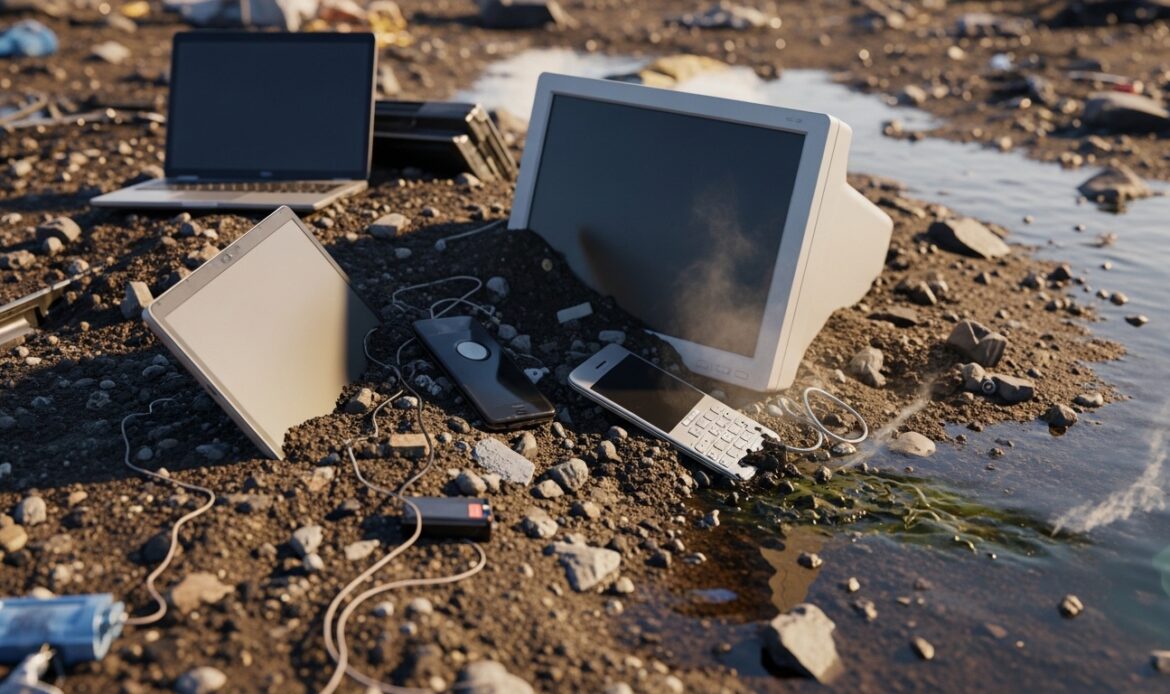
Even though throwing electronics away with other waste may appear to be an innocent action, you should realize it will have damaging consequences on the environment long-term. Many electronic devices are manufactured with hazardous materials, such as lead, mercury, cadmium, and lithium, that will leach into the soil and groundwater when put in landfills. Once these toxic materials taint the environment, they can destroy ecosystems, poison wildlife, and ultimately expose humans to hazardous conditions through contaminated water and food.
Additionally, when e-waste is improperly disposed of, you are permanently losing valuable materials. Programs like E-waste recycling Canberra are specifically designed to eliminate these risks by safely disassembling electronic devices, properly dispossessing toxic substances, and retrieving reusable materials; thus, ensuring the safety of both the planet and humanity.
Data Security and E-Waste Recycling Canberra
The safety of personal and/or business information has been one of the major concerns of many individuals with respect to recycling electronic equipment. Old laptops, hard drives, tablets, and smart phones all have the potential to hold sensitive information such as credit card numbers, email addresses, passwords, and personal files. When these devices are just thrown away, it creates the risk of this information falling into the hands of someone else, which can lead to identity theft, fraud, or corporate data loss. E-Waste recyclers in the Canberra area know of this risk, and typically provide the option for secure data destruction.
This could include the use of advanced software to wipe all data off a device, or actual destruction of the media itself. In doing so, you will protect your personal information, as well as provide an opportunity for the recycling companies to safely and environmentally recycle your electronics. In addition, as a result of implementing correct data management procedures, using recyclers in e-waste recycling canberra creates an opportunity for responsible and secure disposal of electronic devices.
Where to Recycle E-Waste in Canberra
Many local recycling options throughout the ACT have made it easier for businesses and residents to recycle electronics. Insignia Government Dropoff Points located around the Canberra area provide residents easy access (with many able to drop off their electronics for free) to a large variety of home electronics, including computer laptops, mobile devices, displays and printers. Many licensed recyclers provide additional services, including picking up old electronics on a scheduled basis, providing bulk disposal for businesses and safely handling their corporate IT equipment from collection to their e-waste processor.
Many of these businesses have compliance documentation for the materials they handle, which is critical for businesses that are required by regulation to properly destroy confidential data and dispose of waste responsibly. In addition to making it easy to recycle old electronics, local recycling facilities will process these items in an environmentally-friendly manner by recovering as much of the value contained in the items and safely managing any hazardous material from the recycling process. By using these services, residents of, and/or organizations doing business in, Canberra will contribute to a cleaner and more sustainable environment, while also participating in growing program of e-waste recycling canberra.
Business E-Waste Recycling Canberra Solutions
Generally, businesses create just about three times the quantity of electronic junk, as compared to households, due mainly to technological upgrades, office renovations, and infrastructure upgrades. As an example, putting out large orders of computers, servers, printers, monitors, networking gear, and other small devices can produce an immense amount of e-junk that must be disposed of properly. When businesses do not recycle responsibly, it creates major environmental hazards, generates compliance violations, and hinders opportunities for recovering valuable materials.
1. On-Site Collection for Convenience
Many businesses have access to on-site e-waste recycling collection services through professional Canberra e-waste recycling providers. This service makes it easy for a business to schedule collection of large quantities of items, rather than having to transport the items themselves. One call to schedule a pickup provides for all the company’s employees to come to the business, pick up all items, and take care of the proper handling of each item, from beginning to end.
2. Bulk Processing and Material Recovery
Electronics are sorted and separated at recycling plants as part of their recycle procedure. During the process, recyclable metals like copper, aluminium, and gold are removed, plastics are processed, and hazardous materials are disposed of appropriately (batteries and circuit boards) through safe disposal procedures. Furthermore, the use of bulk processing by other companies enables them to recycle large volumes of electronic products efficiently, thereby reducing their impact on the environment.
3. Secure Hard Drive and Data Destruction
Corporate computers are used to store sensitive information such as customer data, and company financial information. As a result, recycling companies in Canberra will provide you with professional services that guarantee secure data destruction through their services for certified data destruction and certified hard drive shredder. By taking advantage of these services, companies can ensure that their clients’ sensitive information has been thoroughly destroyed; thus eliminating the risk of a data breach.
4. Asset Tracking and Reporting
Most of the e-waste recycling companies have a robust asset tracking and reporting capability, which is beneficial to companies that need to track their registrations for compliance/reports/audits. The reports guarantee that all electronic products were recycled in an environmentally sound manner and may be used for companies as either internal documentation or regulatory submission.
5. Supporting Sustainability and Compliance Goals
Businesses can show their commitment to social responsibility and be compliant with laws regulating the environment while supporting their sustainability initiatives, by participating in e-waste recycling Canberra. Whether used as marketing tools, or part of an organization’s mission statement, e-waste recycling provides an opportunity to be a responsible company and be environmentally friendly while providing recovery of valuable materials and improving companies’ overall public perception of being responsible and innovative companies.
Environmental Impact of E-Waste Recycling Canberra
| Aspect | E-Waste Recycling Canberra | Landfill Disposal |
|---|---|---|
| Resource Conservation | Metals, plastics, and components are recovered for reuse, reducing need for new mining | Valuable materials are lost forever, requiring more raw material extraction |
| Energy Use | Lower energy consumption by reusing materials | High energy required to mine and produce new materials |
| Greenhouse Gas Emissions | Reduced emissions through efficient recycling processes | Increased emissions from production of new materials and decomposition in landfill |
| Toxic Substance Management | Hazardous components like batteries and mercury safely processed | Lead, mercury, and cadmium can leak into soil and water |
| Carbon Footprint | Significantly lower due to reuse and safe processing | High carbon footprint due to production and environmental contamination |
Cost Comparison: Recycling vs Landfill
E-waste recycling clearly provides greater long-term benefits than merely disposing of electronics via landfill disposal compared with recycling. Landfilling may appear to be an easier way for you to dispose of electronic devices now or in the short term due to lower costs than recycling, but you won’t recover any valuable materials such as gold, copper or rare earth metals, instead you will only increase the level of environmental pollution that occurs from your e-waste disposal. Businesses that improperly dispose of their electronic devices may be subject to compliance issues with various environmental regulations which could lead to civil penalties.
Conversely, e-waste recycling provides businesses and organizations with the means to responsibly manage the resources they consume and provides an opportunity for businesses to recycle valuable materials, ensures secure handling and access to sensitive information, and provides for long-term environmental benefits. Residents and businesses who elect to recycle e-waste as opposed to using landfills, which results in wastrels turning into reusable material and also preventing any future lost opportunities, financially benefit from their decisions and have positive ecological impacts.
Canberra’s Move Toward a Circular Economy
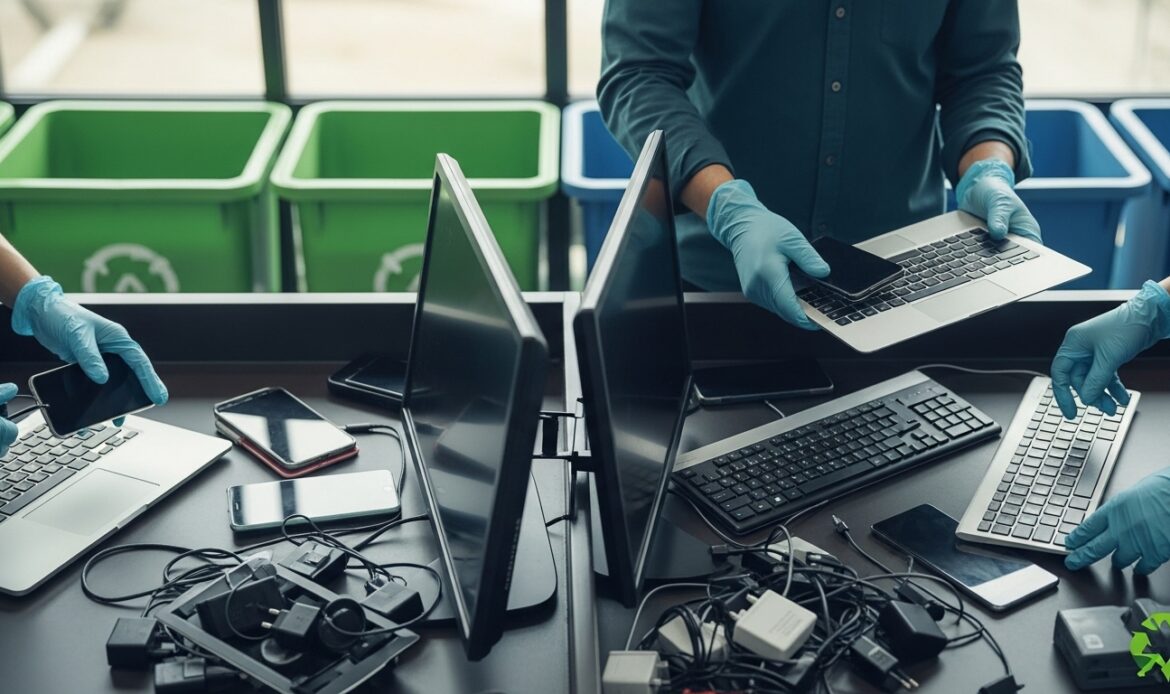
The idea of a circular economy is to keep using products and materials for as long as can be done rather than using the traditional “take, make, dispose” model. Thus, the circular economy model is based on reusing, repairing, refurbishing, and recycling to limit waste and conserve natural resources. Since the City of Canberra has begun implementing sustainability initiatives that support these concepts, the government has also promoted responsible electronic waste (e-waste) recycling to encourage residents and businesses to recycle and reuse electronics.
E-waste recycling Canberra plays an important part in the circular economy by dismantling old electronic devices, recovering valuable metals and plastics, and disposing of hazardous parts properly. In other words, the circular economy changes the traditional view of waste by converting it into new resources, which eliminates the need to extract raw materials and reduces negative environmental effects. Therefore, when you participate in the circular economy in Canberra, you help build a smarter and more sustainable future where products are reused instead of filling up landfills with unnecessary waste.
How You Can Encourage Responsible Recycling
Creating awareness around proper e-waste recycling Canberra starts from small changes we can all make every day. Sharing information with family and friends about where and how to correctly dispose of e-waste, organizing or taking part in local collection events and supporting companies that operate in a sustainable way all create a positive impact.
Another way to help reduce the amount of e-waste created is to make a conscious decision to repair your devices when necessary rather than simply updating them. Additionally, becoming more conscious of what electronics you purchase and how often will increase your ability to decrease your contribution to the current e-waste crisis. All of these efforts combined make a much greater impact as they help raise awareness within our communities, protect our environment and allow for recovery and reuse of precious materials rather than allowing them to go into landfill.
Future Trends in E-Waste Recycling Canberra
The establishment of e-waste recycling Canberra is changing rapidly and continues to change due to an increase in technological developments, increased public awareness of what e-waste is/does, and increasing innovation in the field of recycling and recovery. The methods by which we will continue to recycle e-waste in the future will be enhanced by the following three areas:
1. Advanced Recycling Technologies
With the help of new types of equipment, recovery rates will be higher than they have ever been before because metals, plastic and any rare earths are now retrieved in much larger quantities from an item through new techniques including shredding, recovery and mechanical processing. These new technologies allow for the retrieval of greater quantities of value through the process of recovery of e-waste which can help to reduce the amount of rubbish we create due to less need for mining which requires large amounts of energy resources.
2. Automation and Robotics
E-waste recycling Canberra is being powered by more automation than ever before. Robotics & automated systems that use AI can break down electronics into component parts, sort them by material type, and recognize whether or not they contain hazardous material more quickly (and safely) than by hand. This reduces the level of human exposure to toxic substances, decreases operational costs, and increases the feasibility of large-scale e-waste recycling for residential and commercial entities.
3. Smarter Collection and Sorting Systems
The next generation of e-waste management will utilize intelligent collection systems such as scheduled pickups, automated sorting drop-off points, and IoT enabled bins that monitor volume / type of waste. These types of innovations will make recycling easier for residential and commercial users as well as ensure that resources are going to the proper processing streams.
4. Increased Public Awareness and Participation
With increasing awareness of environmental issues, more people and organizations are likely to engage in e-waste recycling programs. Through education campaigns, incentives and fostering a sense of community, responsible disposal will become the standard rather than an exception, and recycling will go from being a voluntary activity to being a part of everyday life in Canberra.
5. Integration into Citywide Waste Management
The integration of e-waste recycling into the larger city-wide waste management system is taking place gradually. It is possible that in the future, e-waste will become a regular part of households’ and businesses’ waste collection schedules, and there will be a standard process for handling, tracking and reporting on recycled electronics. With e-waste being integrated into a city-wide waste management system, there will be standardized processes, efficiencies, and reduced costs for processing e-waste safely and sustainably.
6. Sustainability and Circular Economy Focus
The future of sustainability will be impacted by e-waste recycling Canberra’s function within the circular economy of the city. Through the recovery of reusable materials found in discarded electronic products, resources can be preserved, emissions caused by burning fossil fuels can be decreased, and environmental impacts can be lessened. Each technological advance or improvement in recycling systems directly supports Canberra’s quest for a greener and more sustainable environment.
Conclusion: E-waste recycling canberra
E-waste recycling canberra is more than just getting rid of old electronics; rather, it is an important step toward protecting the environment and preserving precious resources. Each old phone, laptop computer and cable can be refurbished or recycled because of the many materials such as metals and plastics that can be recovered from them instead of filling landfills with them, they are able to be reused in many ways by recycling.
Proper e-waste recycling helps to prevent the release of toxic chemicals into the environment, reduces the amount of greenhouse gases that are produced and helps to sustain a circular economy worldwide. Each individual’s or organisations small and repeated actions can create a significant impact, helping to create a green, clean and responsible future for the residents of Canberra.
Explore another insightful article to deepen your understanding and discover fresh ideas.
Frequently Asked Questions
What is considered E-waste Recycling Canberra?
E-waste includes any electronic device that runs on electricity, batteries, or contains circuit boards. This covers items like computers, TVs, printers, mobile phones, cables, and even small kitchen appliances. If it plugs in or powers on, it likely qualifies for e-waste recycling Canberra services.
Is e-waste recycling Canberra free for residents?
Many drop-off locations across Canberra offer free recycling for common household electronics under government-supported programs. However, certain items or bulk business disposals may involve a small fee. It’s always best to check with your local recycling facility for specific guidelines.
How do I protect my data before recycling electronics?
Before using an e-waste recycling Canberra service, you should back up your important files and perform a factory reset on the device. Removing SIM cards and memory cards is also recommended. For extra security, some recycling providers offer certified data destruction services.
Why shouldn’t I throw electronics in regular landfill bins?
Electronics contain hazardous materials like lead, mercury, and lithium that can harm the environment if improperly disposed of. When sent to landfill, these substances can leak into soil and water systems. E-waste recycling Canberra ensures these materials are handled safely and responsibly.